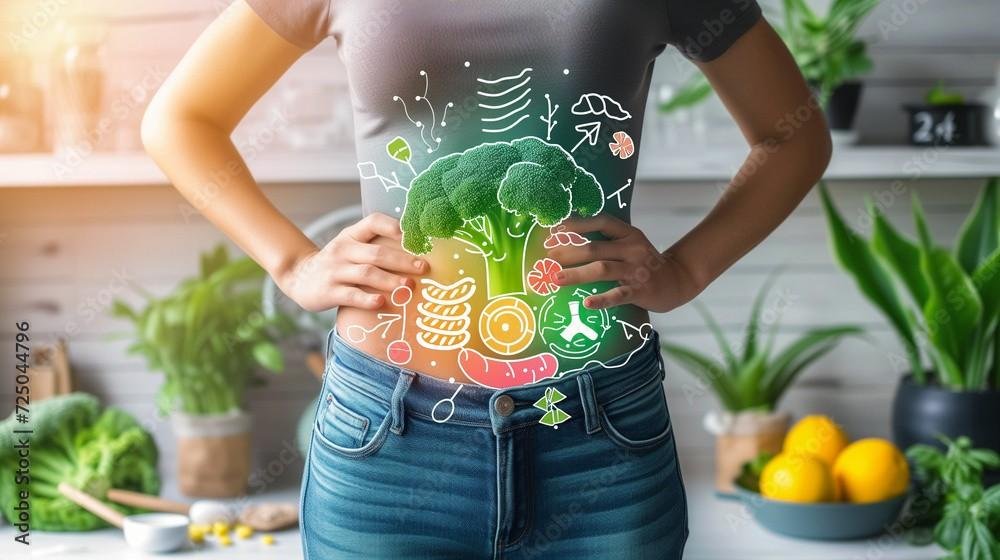
Gut health has become one of the most talked-about wellness topics in recent years—and for good reason. Your gut does much more than digest food. It influences your immune system, mood, metabolism, skin, energy levels, and even brain health. When your gut is healthy, your body functions better overall.
In this complete guide, you’ll learn what gut health means, why it matters, signs of an unhealthy gut, the best foods for digestion, lifestyle habits that improve gut function, and practical ways to build a healthier digestive system naturally.
What Is Gut Health?
Gut health refers to the balance and function of microorganisms living in your digestive tract. These microorganisms include trillions of bacteria, fungi, and other microbes collectively known as the gut microbiome.
A healthy gut contains a diverse mix of beneficial bacteria that help your body:
- Digest food properly
- Absorb nutrients efficiently
- Produce vitamins
- Support immune function
- Reduce inflammation
- Protect against harmful bacteria
- Regulate mood and mental health
Most of these microbes live in the large intestine, where they work together to maintain balance in the body.
Why Gut Health Is Important
Your gut is often called the “second brain” because of the strong connection between the digestive system and the brain. Scientists refer to this communication network as the gut-brain axis.
A healthy gut can support:
1. Better Digestion
Good gut bacteria help break down food and absorb nutrients effectively. This reduces problems like bloating, constipation, diarrhea, and acid reflux.
2. Stronger Immunity
Nearly 70% of the immune system is connected to the gut. Healthy gut bacteria help protect your body from infections and harmful pathogens.
3. Improved Mental Health
The gut produces neurotransmitters like serotonin, which affects mood, sleep, and emotional health. Poor gut health has been linked to stress, anxiety, and depression.
4. Healthy Weight Management
The gut microbiome affects how the body stores fat, controls blood sugar, and regulates hunger hormones.
5. Reduced Inflammation
Chronic inflammation can contribute to heart disease, diabetes, obesity, and autoimmune conditions. A balanced gut may help reduce inflammation naturally.
Signs of Poor Gut Health
An unhealthy gut can show up in many ways. Common symptoms include:
- Frequent bloating
- Gas and indigestion
- Constipation or diarrhea
- Stomach pain
- Food intolerances
- Fatigue and low energy
- Sugar cravings
- Skin issues like acne or eczema
- Weak immunity
- Trouble sleeping
- Mood swings or anxiety
If these symptoms occur regularly, your gut microbiome may be out of balance.
Common Causes of Unhealthy Gut
Many everyday habits can negatively affect gut bacteria.
1. Poor Diet
Diets high in sugar, processed foods, and unhealthy fats can reduce healthy gut bacteria.
2. Excess Antibiotic Use
Antibiotics kill harmful bacteria but may also destroy beneficial microbes in the gut.
3. Chronic Stress
Stress changes gut bacteria and affects digestion.
4. Lack of Sleep
Poor sleep quality can disrupt the gut microbiome.
5. Low Fiber Intake
Fiber feeds beneficial bacteria. Without enough fiber, healthy microbes struggle to survive.
6. Dehydration
Water helps digestion and supports the intestinal lining.
7. Sedentary Lifestyle
Regular physical activity improves digestion and supports microbial diversity.
Best Foods for Gut Health
Eating the right foods is one of the most effective ways to improve digestion naturally.
1. Yogurt
Yogurt contains probiotics, which are live beneficial bacteria that support digestion.
Benefits:
- Improves gut bacteria balance
- Helps reduce bloating
- Supports immunity
Choose plain yogurt with live active cultures and low added sugar.
2. Kefir
Kefir is a fermented milk drink rich in probiotics and nutrients.
Benefits:
- Enhances digestion
- Supports immune health
- May reduce inflammation
3. Sauerkraut
Sauerkraut is fermented cabbage packed with probiotics and fiber.
Benefits:
- Supports healthy digestion
- Contains antioxidants
- Helps balance gut bacteria
4. Kimchi
Kimchi is a Korean fermented vegetable dish rich in probiotics.
Benefits:
- Improves gut diversity
- Supports metabolism
- Provides vitamins and minerals
5. Bananas
Bananas contain prebiotics, which feed healthy gut bacteria.
Benefits:
- Supports digestion
- Helps regulate bowel movements
- Gentle on the stomach
6. Garlic
Garlic acts as a natural prebiotic.
Benefits:
- Feeds beneficial bacteria
- May reduce harmful microbes
- Supports immunity
7. Onions
Onions are rich in prebiotic fiber and antioxidants.
Benefits:
- Improves digestion
- Supports healthy bacteria growth
- Reduces inflammation
8. Whole Grains
Foods like oats, brown rice, quinoa, and barley provide fiber that supports gut health.
Benefits:
- Improves bowel regularity
- Feeds healthy bacteria
- Helps manage blood sugar
9. Apples
Apples contain pectin, a type of soluble fiber beneficial for digestion.
Benefits:
- Supports beneficial bacteria
- Helps reduce constipation
- Promotes fullness
10. Chia Seeds
Chia seeds are rich in fiber and omega-3 fatty acids.
Benefits:
- Supports digestion
- Helps maintain bowel regularity
- Encourages healthy gut bacteria
Foods That Harm Gut Health
Some foods may negatively impact digestion and gut bacteria.
Sugary Foods
Excess sugar can feed harmful bacteria and yeast.
Ultra-Processed Foods
Highly processed foods often lack fiber and nutrients.
Artificial Sweeteners
Some artificial sweeteners may disrupt gut bacteria balance.
Excess Alcohol
Too much alcohol may damage the gut lining.
Fried Foods
Greasy foods can slow digestion and increase inflammation.
Probiotics vs Prebiotics
Many people confuse probiotics and prebiotics, but both are important.
What Are Probiotics?
Probiotics are live beneficial bacteria found in fermented foods and supplements.
Examples:
- Yogurt
- Kefir
- Kimchi
- Sauerkraut
- Miso
What Are Prebiotics?
Prebiotics are fibers that feed healthy bacteria.
Examples:
- Garlic
- Onion
- Banana
- Oats
- Apples
For the best gut health, include both probiotics and prebiotics in your diet.
How Stress Affects Gut Health
Stress and digestion are closely connected. When stress levels rise, digestion may slow down or become irregular.
Stress can cause:
- Stomach pain
- Bloating
- Constipation
- Diarrhea
- Increased inflammation
Managing stress is essential for maintaining a healthy digestive system.
Best Lifestyle Habits for Better Gut Health
1. Eat More Fiber
Aim for fiber-rich foods daily.
Good sources include:
- Fruits
- Vegetables
- Whole grains
- Legumes
- Seeds
2. Stay Hydrated
Drink enough water throughout the day to support digestion.
3. Exercise Regularly
Physical activity helps stimulate digestion and improve gut bacteria diversity.
4. Get Enough Sleep
Adults should aim for 7–9 hours of quality sleep each night.
5. Reduce Stress
Helpful stress-management activities include:
- Meditation
- Deep breathing
- Walking
- Yoga
- Journaling
6. Avoid Smoking
Smoking negatively affects gut bacteria and digestive health.
7. Limit Unnecessary Antibiotics
Only use antibiotics when prescribed by a healthcare professional.
Gut Health and Immunity
The gut plays a major role in defending the body against illness. Healthy bacteria help train immune cells and prevent harmful microbes from entering the bloodstream.
A balanced gut may help:
- Reduce infections
- Improve recovery
- Lower inflammation
- Strengthen immune response
This is one reason why nutrition and digestion are strongly connected to overall health.
Gut Health and Skin
Many skin conditions are linked to inflammation and digestive health.
Poor gut health may contribute to:
- Acne
- Eczema
- Rosacea
- Dry skin
Eating anti-inflammatory foods and improving digestion may support clearer skin.
Gut Health and Weight Loss
Gut bacteria influence:
- Appetite
- Fat storage
- Blood sugar regulation
- Metabolism
A healthy gut may support sustainable weight management when combined with proper diet and exercise.
How Long Does It Take to Improve Gut Health?
Some people notice digestive improvements within a few days of eating healthier foods, while major microbiome changes may take several weeks or months.
Consistency matters more than quick fixes.
Focus on:
- Daily fiber intake
- Fermented foods
- Hydration
- Sleep
- Stress reduction
Small habits over time create lasting gut health improvements.
Natural Remedies for Gut Health
Ginger
Ginger may help reduce nausea and support digestion.
Peppermint
Peppermint tea may ease bloating and stomach discomfort.
Bone Broth
Bone broth contains nutrients that may support the gut lining.
Apple Cider Vinegar
Some people use apple cider vinegar before meals to support digestion, though results vary.
Gut Health Myths
Myth 1: All Bacteria Are Bad
Many bacteria are essential for good health.
Myth 2: Detox Teas Clean the Gut
The body naturally detoxifies itself through the liver and kidneys.
Myth 3: Probiotic Supplements Fix Everything
Supplements may help some people, but diet and lifestyle matter most.
Myth 4: Healthy Digestion Means No Symptoms Ever
Occasional bloating or discomfort can happen normally. Persistent symptoms should be evaluated by a healthcare professional.
When to See a Doctor
Consult a healthcare provider if you experience:
- Severe stomach pain
- Blood in stool
- Unexplained weight loss
- Persistent diarrhea
- Chronic constipation
- Ongoing digestive discomfort
These symptoms may indicate underlying medical conditions that require professional evaluation.
Simple Daily Gut Health Routine
Here’s an easy routine for better digestion:
Morning
- Drink water after waking up
- Eat a fiber-rich breakfast
Afternoon
- Include vegetables and whole grains in meals
- Stay hydrated
Evening
- Eat lighter dinners
- Avoid overeating late at night
Daily Habits
- Exercise regularly
- Sleep well
- Reduce stress
- Include fermented foods several times a week
Final Thoughts
Gut health affects nearly every part of the body, from digestion and immunity to mood and energy levels. Building a healthy gut doesn’t require extreme diets or expensive supplements. Small, consistent lifestyle changes can make a significant difference over time.
Eating more fiber, including probiotic-rich foods, staying hydrated, exercising regularly, sleeping well, and managing stress are some of the most effective ways to improve gut health naturally.
A healthy gut supports a healthier life overall.
FAQs About Gut Health
What is the best food for gut health?
Foods rich in probiotics and fiber, such as yogurt, kefir, bananas, oats, and fermented vegetables, are excellent for gut health.
How do I heal my gut naturally?
Eat fiber-rich foods, reduce processed foods, stay hydrated, manage stress, and include probiotics in your diet.
Are probiotics good for everyone?
Many people benefit from probiotics, but effects vary. It’s best to consult a healthcare professional if you have medical conditions.
How can I tell if my gut is unhealthy?
Common signs include bloating, constipation, gas, fatigue, food intolerances, and frequent digestive discomfort.
Does drinking water help gut health?
Yes. Water supports digestion, bowel regularity, and overall digestive function.
Can stress damage gut health?
Yes. Chronic stress may negatively affect digestion and gut bacteria balance.
How long does it take to improve digestion?
Some improvements can happen within days, while long-term gut balance may take weeks or months.
Is yogurt enough for gut health?
Yogurt helps, but a healthy gut also depends on fiber, hydration, sleep, exercise, and overall diet quality.
Which fruits are best for digestion?
Bananas, apples, berries, papaya, and kiwi are commonly recommended for digestive support.
Can gut health affect mental health?
Yes. The gut and brain communicate closely, and gut bacteria may influence mood and emotional well-being.
Also read: