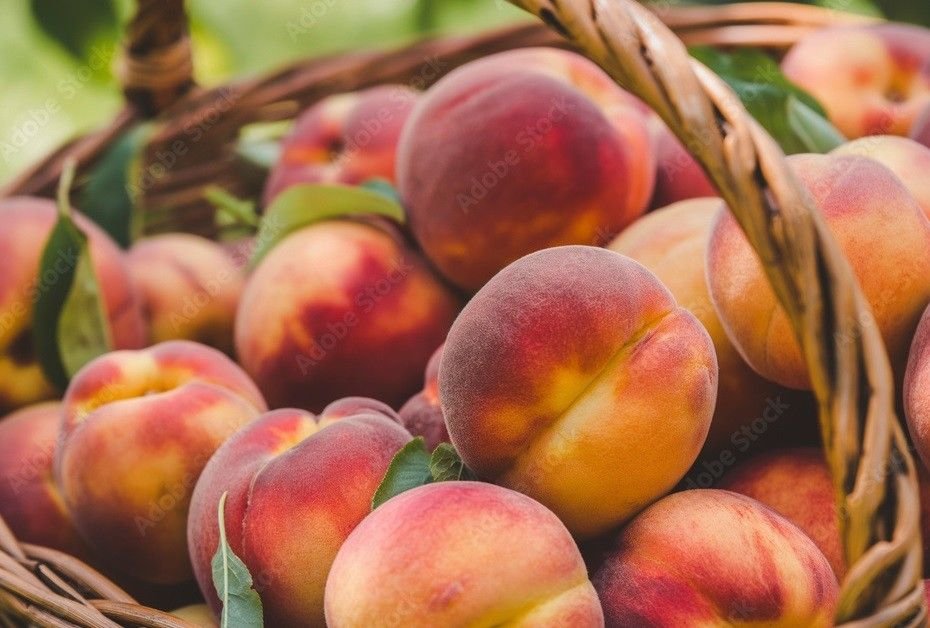
Peaches are one of the most loved summer fruits in the world. Their sweet taste, juicy texture, and refreshing flavor make them popular in smoothies, desserts, salads, jams, and healthy snacks. Beyond their delicious taste, peaches are packed with vitamins, antioxidants, fiber, and minerals that support overall health.
Whether eaten fresh, dried, grilled, or blended into drinks, peaches offer both nutrition and flavor. This detailed guide explores everything about peaches — from their history and nutritional value to health benefits, recipes, storage tips, and growing methods.
What Is a Peach?
A peach is a soft, round fruit with fuzzy skin and sweet yellow, white, or red flesh. It belongs to the stone fruit family, also called drupe fruits, because it contains a hard seed or “stone” in the center.
Peaches are scientifically known as Prunus persica and are closely related to:
- Nectarines
- Plums
- Cherries
- Apricots
- Almonds
Although peaches are strongly associated with places like Georgia in the United States, they originally came from China thousands of years ago.
Types of Peaches
There are many peach varieties grown worldwide. The most common categories include:
1. Yellow Peaches
These peaches have golden-yellow flesh with a sweet and slightly tangy flavor.
Best for:
- Eating fresh
- Baking
- Grilling
- Smoothies
2. White Peaches
White peaches are sweeter and less acidic than yellow peaches.
Best for:
- Fruit salads
- Desserts
- Fresh eating
3. Freestone Peaches
The pit easily separates from the flesh.
Best for:
- Cooking
- Slicing
- Canning
4. Clingstone Peaches
The flesh sticks tightly to the pit.
Best for:
- Commercial canning
- Preserves
- Juices
5. Donut Peaches
Also called Saturn peaches, these are flat-shaped peaches with very sweet flesh.
Best for:
- Snacks
- Kids’ lunches
- Fruit platters
Nutritional Value of Peach
A medium-sized peach contains approximately:
| Nutrient | Amount |
|---|---|
| Calories | 58 |
| Carbohydrates | 14 g |
| Fiber | 2 g |
| Protein | 1 g |
| Fat | 0.4 g |
| Vitamin C | 17% DV |
| Vitamin A | 10% DV |
| Potassium | 285 mg |
| Niacin | 6% DV |
Peaches are low in calories and naturally fat-free, making them excellent for healthy diets.
Health Benefits of Peach
1. Rich in Antioxidants
Peaches contain powerful antioxidants such as:
- Polyphenols
- Vitamin C
- Beta-carotene
- Lutein
These compounds help protect cells from oxidative stress and may reduce the risk of chronic diseases.
2. Supports Digestion
Peaches contain dietary fiber that supports healthy digestion and regular bowel movements.
Benefits include:
- Better gut health
- Reduced constipation
- Improved nutrient absorption
Fresh peaches also contain water, which further supports digestive health.
3. Good for Skin Health
Peaches are commonly used in skincare because they contain:
- Vitamin C
- Vitamin A
- Antioxidants
These nutrients may:
- Improve skin texture
- Support collagen production
- Reduce signs of aging
- Help maintain skin hydration
4. Helps Weight Management
Peaches are naturally:
- Low in calories
- High in water
- Rich in fiber
This combination helps you feel full longer and may reduce overeating.
Peaches are an excellent snack for weight loss diets.
5. Supports Heart Health
The potassium and antioxidants in peaches may support healthy blood pressure and heart function.
Potential benefits:
- Better circulation
- Reduced sodium effects
- Lower oxidative stress
6. May Improve Immunity
Vitamin C in peaches supports immune system function and helps the body fight infections.
Regular fruit intake may contribute to:
- Faster recovery
- Better immune defense
- Reduced inflammation
7. Supports Eye Health
Peaches contain carotenoids like:
- Beta-carotene
- Lutein
- Zeaxanthin
These nutrients support healthy vision and may help protect against age-related eye issues.
Peach for Weight Loss
Peaches are often included in healthy weight-loss meal plans because they:
- Contain few calories
- Reduce sugar cravings naturally
- Provide hydration
- Support digestion
Best Ways to Eat Peach for Weight Loss
- Add slices to oatmeal
- Blend into smoothies
- Eat as a mid-day snack
- Add to yogurt bowls
- Freeze for healthy desserts
Peach Benefits for Skin
Peaches are widely used in beauty products because they help nourish the skin naturally.
Skin Benefits
Hydration
The high water content helps maintain skin moisture.
Anti-Aging
Vitamin C supports collagen production.
Brightening
Natural antioxidants may help improve skin glow.
Acne Support
Some compounds may help reduce inflammation associated with acne.
Peach Benefits for Hair
Peaches contain nutrients that support hair health, including:
- Vitamin A
- Vitamin C
- Iron
- Potassium
These nutrients may:
- Support scalp circulation
- Help maintain hair strength
- Reduce dryness
Peach oil is also used in hair masks and conditioners.
Is Peach Good for Diabetes?
Peaches can be included in a diabetes-friendly diet when eaten in moderation.
Benefits include:
- Low calorie content
- Fiber for slower sugar absorption
- Natural sweetness without processed sugar
However, canned peaches in syrup should be limited because they may contain added sugar.
Peach for Pregnancy
Peaches provide nutrients useful during pregnancy, including:
- Folate
- Fiber
- Vitamin C
- Potassium
Potential benefits:
- Helps digestion
- Supports hydration
- May reduce constipation
Pregnant women should wash peaches thoroughly before eating.
Peach for Kids
Peaches are soft, naturally sweet, and nutritious, making them excellent for children.
Benefits for kids:
- Easy to digest
- Rich in vitamins
- Supports hydration
- Healthy snack option
Mashed peaches can also be introduced to babies after consulting a pediatrician.
Peach vs Nectarine
Many people confuse peaches and nectarines because they are very similar.
| Feature | Peach | Nectarine |
|---|---|---|
| Skin | Fuzzy | Smooth |
| Taste | Sweet & mild | Slightly tangy |
| Texture | Softer | Firmer |
| Calories | Similar | Similar |
| Nutrition | Nearly same | Nearly same |
Nectarines are essentially a smooth-skinned variety of peach.
How to Select Good Peaches
When buying peaches, look for:
- Sweet fragrance
- Slight softness
- Smooth skin without wrinkles
- Bright color
Avoid peaches that are:
- Too hard
- Bruised
- Moldy
- Overly wrinkled
How to Store Peaches
Unripe Peaches
Keep at room temperature until soft.
Ripe Peaches
Store in the refrigerator for up to 5 days.
Frozen Peaches
Slice and freeze in airtight containers for smoothies and desserts.
How to Eat Peaches
There are many delicious ways to enjoy peaches.
Fresh
Eat raw as a healthy snack.
Smoothies
Blend with yogurt, banana, or berries.
Salads
Add slices to green salads.
Desserts
Use in pies, cakes, and ice cream.
Grilled
Grilling enhances sweetness naturally.
Oatmeal
Add chopped peaches to breakfast bowls.
Peach Recipes
1. Peach Smoothie
Ingredients
- 2 peaches
- 1 banana
- 1 cup milk
- Honey (optional)
- Ice cubes
Method
- Blend all ingredients.
- Serve chilled.
2. Peach Salad
Ingredients
- Peach slices
- Lettuce
- Walnuts
- Feta cheese
- Olive oil
Method
- Combine ingredients.
- Toss gently.
- Serve fresh.
3. Grilled Peaches
Ingredients
- Halved peaches
- Cinnamon
- Honey
Method
- Grill peaches for 2–3 minutes.
- Add cinnamon and honey.
- Serve warm.
4. Peach Oatmeal Bowl
Ingredients
- Oats
- Milk
- Peach slices
- Chia seeds
- Nuts
Method
- Cook oats.
- Add toppings.
- Enjoy as breakfast.
Peach Juice Benefits
Fresh peach juice may:
- Improve hydration
- Provide antioxidants
- Support digestion
- Offer natural energy
Avoid packaged juices with added sugar.
Peach Tea
Peach tea is a refreshing drink made using:
- Fresh peaches
- Black tea
- Green tea
- Honey
- Mint
It is popular during summer and can be served iced or hot.
Peach in Skincare Products
Peach extracts are commonly found in:
- Face masks
- Creams
- Scrubs
- Lip balms
- Body lotions
Peach oil is valued for its lightweight moisturizing properties.
Can You Eat Peach Skin?
Yes, peach skin is edible and contains fiber and antioxidants.
However:
- Wash thoroughly before eating
- Buy organic if possible
- Peel if sensitive to texture
Side Effects of Peach
Peaches are generally safe, but excessive consumption may cause:
- Bloating
- Digestive discomfort
- Allergic reactions in sensitive individuals
Some people with pollen allergies may react to peaches.
Peach and Allergy
Certain individuals may experience oral allergy syndrome after eating peaches.
Symptoms may include:
- Itchy mouth
- Swollen lips
- Throat irritation
Seek medical help for severe reactions.
Peach Farming and Growing
Peach trees grow best in:
- Warm climates
- Well-drained soil
- Sunny conditions
Major peach-producing countries include:
- China
- Spain
- Italy
- United States
- Greece
How to Grow a Peach Tree
Step 1: Choose a Sunny Spot
Peach trees need at least 6–8 hours of sunlight daily.
Step 2: Use Well-Drained Soil
Avoid overly wet soil conditions.
Step 3: Water Properly
Young trees need regular watering.
Step 4: Prune the Tree
Pruning improves airflow and fruit production.
Step 5: Protect From Pests
Use organic pest control methods when possible.
Interesting Facts About Peaches
- China is the largest peach producer in the world.
- Peaches belong to the rose family.
- Peach trees can live for over 10 years.
- The peach symbolizes longevity and immortality in Chinese culture.
- Georgia is called the “Peach State” in the USA.
Are Peaches Healthy?
Yes, peaches are highly nutritious fruits rich in:
- Vitamins
- Fiber
- Antioxidants
- Water
They fit well into:
- Weight-loss diets
- Heart-friendly diets
- Healthy snack plans
Best Time to Eat Peach
Peaches can be eaten:
- In breakfast bowls
- As evening snacks
- Before workouts
- In smoothies
Eating fresh seasonal peaches provides the best flavor and nutrition.
Conclusion
Peaches are delicious, refreshing, and loaded with nutrients that support overall health. From digestion and heart health to glowing skin and weight management, peaches offer many impressive benefits.
Their versatility makes them easy to include in everyday meals, whether in smoothies, salads, desserts, or healthy snacks. Low in calories yet rich in vitamins and antioxidants, peaches are an excellent addition to a balanced diet.
Fresh, juicy, and naturally sweet, peaches are truly one of nature’s healthiest summer fruits.
FAQs About Peach
Is peach good for weight loss?
Yes, peaches are low in calories and high in water and fiber, making them excellent for weight management.
Can diabetics eat peaches?
Yes, peaches can be eaten in moderation as part of a balanced diet.
Is peach skin edible?
Yes, peach skin is edible and contains fiber and antioxidants.
Are peaches good for the skin?
Peaches contain vitamin C and antioxidants that may support healthy skin.
What is the best way to eat peaches?
Fresh peaches are highly nutritious, but they can also be enjoyed in smoothies, salads, and desserts.
Are peaches high in sugar?
Peaches contain natural fruit sugar but are relatively low in calories.
Can you eat peaches every day?
Yes, moderate daily consumption can be part of a healthy diet.
Which is healthier: peach or nectarine?
Both are very similar nutritionally and are healthy choices.
Also read:
Jamun: 9 Benefits, Nutrition, Uses, Side Effects & Diabetes Support Guide