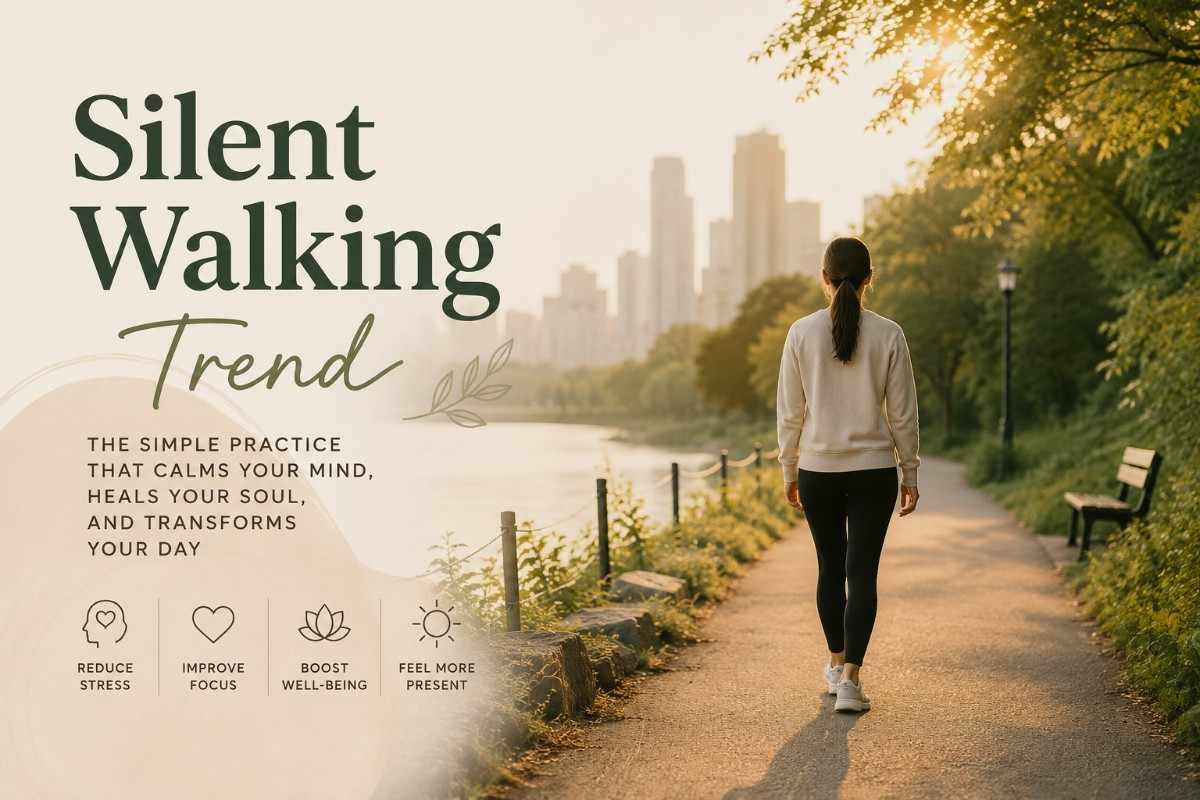
The Silent Walking Trend has emerged as one of the most talked-about wellness and fitness movements in recent years. In a world filled with constant notifications, podcasts, music, social media updates, and endless digital distractions, many people are discovering the surprising benefits of simply walking in silence.
Unlike traditional walks where people often listen to music, audiobooks, or podcasts, silent walking encourages individuals to leave their headphones behind and focus entirely on their surroundings, thoughts, breathing, and physical movement. What may seem like a simple concept has become a powerful tool for improving mental clarity, reducing stress, enhancing mindfulness, and supporting overall health.
As wellness trends continue to evolve, silent walking has gained popularity among fitness enthusiasts, mental health advocates, productivity experts, and people looking for a healthier relationship with technology. The trend has gone viral on social media platforms because it offers a free, accessible, and effective way to improve both physical and mental well-being.
In this complete guide, we will explore everything you need to know about the Silent Walking Trend, including its origins, benefits, how it works, scientific support, potential drawbacks, and practical tips for getting started.
What Is the Silent Walking Trend?
Silent walking refers to taking a walk without listening to music, podcasts, audiobooks, phone calls, or other forms of entertainment. The goal is to experience the walk fully and remain present in the moment.
During a silent walk, individuals focus on:
- Their breathing
- Body movement
- Natural surroundings
- Sounds of nature
- Personal thoughts
- Physical sensations
Rather than using walking time to consume content, silent walkers use the experience as an opportunity to reconnect with themselves and the environment around them.
The trend gained popularity through social media platforms where creators shared their experiences of improved mood, reduced anxiety, and increased mental clarity after incorporating silent walks into their routines.
Why Has Silent Walking Become So Popular?
Silent Walking Trend: Several factors have contributed to the rapid rise of silent walking.
Digital Overload
Many people spend hours every day consuming digital content. Smartphones, social media platforms, streaming services, and constant notifications can create mental fatigue.
Silent walking provides a break from this continuous information flow.
Growing Interest in Mindfulness
Mindfulness practices have become increasingly popular as people seek ways to reduce stress and improve mental health.
Silent walking combines physical activity with mindfulness in a simple and approachable format.
Accessibility
Unlike many fitness trends that require expensive equipment, gym memberships, or specialized training, silent walking is free and available to nearly everyone.
Mental Health Awareness
Growing awareness of mental health issues has encouraged people to explore wellness practices that support emotional well-being.
Many individuals report feeling calmer and more grounded after silent walks.
How Silent Walking Differs from Regular Walking
Silent Walking Trend: Although both involve physical activity, silent walking has a unique focus.
Regular Walking
- Often includes music or podcasts
- May involve phone use
- Focus on exercise or transportation
- Attention divided between multiple stimuli
Silent Walking
- No digital entertainment
- Minimal distractions
- Focus on mindfulness
- Increased awareness of surroundings
- Greater mental engagement
The primary difference lies in intentional presence and attention.
Physical Health Benefits of Silent Walking
Supports Cardiovascular Health
Like all forms of walking, silent walking helps improve heart health by increasing circulation and promoting cardiovascular fitness.
Regular walking may help:
- Improve blood flow
- Support healthy blood pressure
- Increase endurance
- Enhance overall fitness
Encourages Daily Movement
Many people struggle to meet recommended activity levels.
Silent walking offers a simple way to incorporate more movement into daily routines.
Supports Weight Management
Silent Walking Trend: Walking burns calories and contributes to overall energy expenditure.
When combined with a balanced diet, regular walking may support healthy weight management goals. Silent walking encourages regular movement and mindfulness, while other walking routines focus more on fitness goals.
For example, the 6-6-6 Walking Trend for Weight Loss has become popular for helping people build a consistent walking habit and improve overall fitness. Combining mindful walking with structured walking routines can support both mental and physical well-being.
Improves Posture
Walking mindfully often increases awareness of posture and body alignment.
This can encourage:
- Better posture
- Reduced muscle tension
- Improved walking mechanics
Enhances Balance and Coordination
Paying attention to movement can help strengthen coordination and body awareness over time.
Mental Health Benefits of Silent Walking
Reduces Stress
One of the most commonly reported benefits of silent walking is reduced stress.
Walking without distractions allows the nervous system to relax and recover from constant stimulation.
Supports Anxiety Management
Many people find that silent walking helps calm racing thoughts and creates a sense of mental space.
The combination of movement and mindfulness may support emotional regulation.
Promotes Relaxation
Natural surroundings, fresh air, and gentle movement can contribute to feelings of relaxation and calmness.
Improves Mood
Silent Walking Trend: Physical activity stimulates the release of feel-good chemicals that can positively influence mood.
Many individuals report feeling happier after a silent walk.
Encourages Self-Reflection
Without external distractions, silent walking creates opportunities for personal reflection and self-awareness.
Silent Walking and Mindfulness
Silent Walking Trend: Mindfulness involves paying attention to the present moment without judgment.
Silent walking naturally supports mindfulness through:
- Awareness of breathing
- Observation of surroundings
- Recognition of thoughts
- Attention to physical sensations
Instead of focusing on the future or dwelling on the past, silent walking encourages engagement with the present experience.
Productivity Benefits
Mental Clarity
Many people experience greater mental clarity after walking in silence.
Stepping away from screens and distractions can help organize thoughts more effectively.
Creative Thinking
Some individuals discover that silent walks inspire new ideas and creative solutions.
Many writers, entrepreneurs, and professionals use walking as a tool for problem-solving.
Better Focus
Regular silent walks may help improve concentration by providing mental rest from constant information consumption.
You may also enjoy reading about:
Silent Walking and Nature
Silent Walking Trend: Walking outdoors can enhance the benefits of silent walking.
Natural environments provide:
- Fresh air
- Green spaces
- Natural sounds
- Visual relaxation
Research suggests that spending time in nature may support psychological well-being and stress reduction.
Common locations for silent walking include:
- Parks
- Nature trails
- Beaches
- Gardens
- Quiet neighborhoods
How to Start Silent Walking
Choose a Comfortable Route
Select a safe and pleasant location where you can walk comfortably.
Leave Headphones Behind
The key principle of silent walking is reducing distractions.
Avoid:
- Music
- Podcasts
- Audiobooks
- Phone calls
Focus on Breathing
Pay attention to the rhythm of your breath as you walk.
Observe Your Environment
Notice:
- Trees
- Birds
- Buildings
- Weather
- Sounds
Accept Your Thoughts
Thoughts will naturally arise.
Instead of resisting them, acknowledge them and return attention to the present moment.
Start Small
Beginners can begin with:
- 10-minute walks
- 15-minute walks
- 20-minute walks
Gradually increase duration as desired.
Common Silent Walking Mistakes
Constant Phone Checking
Frequently checking messages disrupts the mindfulness aspect of silent walking.
Walking Too Fast
Moving too quickly may reduce awareness of the experience.
Judging Thoughts
Mindfulness involves observing thoughts rather than criticizing them.
Expecting Immediate Results
Benefits often develop gradually through consistent practice.
Best Times for Silent Walking
Morning
Morning walks may:
- Improve focus
- Boost energy
- Create a positive start to the day
Lunch Break
Midday walks can help reduce work-related stress and refresh the mind.
Evening
Evening walks may support relaxation and help transition away from daily responsibilities.
Silent Walking for Beginners
If silence feels uncomfortable initially, this is completely normal.
Many people are accustomed to constant stimulation.
With practice, silence often becomes more enjoyable and restorative.
Helpful beginner tips include:
- Walking in familiar areas
- Keeping sessions short
- Focusing on breathing
- Practicing consistency
Can Silent Walking Replace Other Exercise?
Silent Walking Trend: Silent walking offers numerous health benefits but should not necessarily replace all forms of exercise.
For optimal health, consider combining silent walking with:
- Strength training
- Flexibility exercises
- Balance training
- Cardiovascular workouts
A balanced fitness routine supports overall wellness.
Potential Drawbacks
Although silent walking is generally safe and beneficial, some individuals may experience challenges.
Boredom
People accustomed to constant entertainment may initially feel bored.
Busy Environments
Crowded or noisy areas can make silent walking more difficult.
Safety Considerations
Always remain aware of:
- Traffic
- Cyclists
- Weather conditions
- Surroundings
Safety should remain a priority.
Tips to Make Silent Walking a Habit
- Schedule walks at the same time daily
- Choose enjoyable routes
- Track progress
- Invite a friend occasionally
- Focus on consistency rather than perfection
Building a routine increases the likelihood of long-term success.
The Future of Silent Walking
Silent Walking Trend: As concerns about digital overload continue to grow, silent walking may become an increasingly popular wellness practice.
Its simplicity, accessibility, and potential benefits make it appealing to people of all ages and fitness levels.
Unlike many short-lived trends, silent walking aligns with timeless principles of mindfulness, movement, and connection with nature.
Conclusion
The Silent Walking Trend is more than a social media phenomenon. It represents a shift toward mindful movement, reduced digital distraction, and greater self-awareness.
By setting aside headphones, podcasts, and constant notifications, individuals can transform an ordinary walk into a powerful wellness practice. Silent walking may support stress reduction, mental clarity, improved mood, mindfulness, and physical health while requiring no special equipment or financial investment.
Whether you walk for ten minutes or an hour, embracing silence can provide a refreshing opportunity to reconnect with yourself and the world around you. As more people seek simple ways to improve their well-being, silent walking continues to prove that sometimes the most effective wellness habits are also the simplest.
If you’re looking for more ways to improve your health and wellness, explore our related guides:
FAQs
What is the Silent Walking Trend?
The Silent Walking Trend is a wellness practice that involves walking without listening to music, podcasts, audiobooks, or other digital distractions. Instead, participants focus on their surroundings, breathing, thoughts, and physical movement. The trend has gained popularity because it promotes mindfulness and helps people disconnect from constant digital stimulation.
What are the benefits of silent walking?
Silent walking may provide several benefits, including reduced stress, improved mental clarity, enhanced mindfulness, better focus, and improved mood. Since walking is also a form of physical activity, it can support heart health, endurance, and overall fitness while encouraging people to spend more time outdoors.
Why is silent walking becoming popular?
Silent walking has become popular because many people feel overwhelmed by constant notifications, social media, and digital content. Walking in silence offers an opportunity to slow down, clear the mind, and reconnect with the present moment. Social media users have also shared positive experiences, helping the trend gain widespread attention.
Can silent walking help reduce stress?
Many people find silent walking relaxing because it removes distractions and allows the mind to focus on the present. The combination of gentle exercise, fresh air, and mindful awareness may help reduce feelings of stress and mental fatigue.
Is silent walking good for mental health?
Silent walking can support mental well-being by encouraging mindfulness and self-reflection. While it is not a treatment for mental health conditions, many individuals report feeling calmer, more focused, and emotionally balanced after regular silent walks.
How long should a silent walk be?
There is no strict rule regarding duration. Beginners can start with a 10- to 15-minute silent walk and gradually increase the time as they become more comfortable. Even short walks can provide benefits when practiced consistently.
Can I use my phone during a silent walk?
The goal of silent walking is to minimize distractions, so it is generally recommended to avoid checking your phone unless necessary for safety or emergencies. Limiting screen use helps maintain focus on the walking experience.
Is silent walking the same as walking meditation?
Silent walking and walking meditation share many similarities because both emphasize mindfulness and awareness. However, walking meditation often follows specific meditation techniques, while silent walking is generally more flexible and informal.
Can silent walking help improve focus and productivity?
Many people find that silent walking helps clear mental clutter and organize thoughts. Taking a break from constant information consumption may improve concentration, creativity, and productivity throughout the day.
What should I focus on during a silent walk?
During a silent walk, you can focus on your breathing, body movements, surroundings, sounds of nature, or the feeling of your feet touching the ground. The goal is to stay present and observe the experience without judgment.
Is silent walking suitable for beginners?
Yes, silent walking is beginner-friendly and requires no special skills or equipment. Anyone can start by taking a short walk without headphones and gradually becoming more comfortable with the practice.
Can silent walking replace other forms of exercise?
Silent walking offers valuable physical and mental health benefits, but it may not provide all the fitness benefits of a complete exercise program. For optimal health, it can be combined with strength training, flexibility exercises, and other forms of physical activity.
What is the best time of day for silent walking?
Silent walking can be done at any time of day. Many people enjoy morning walks for mental clarity and energy, while others prefer evening walks to unwind and relax after a busy day.
Does silent walking require a specific location?
No, silent walking can be practiced almost anywhere, including parks, nature trails, neighborhoods, beaches, and quiet urban areas. Choosing a safe and comfortable environment can enhance the overall experience.
Why do some people find silent walking difficult at first?
People are often accustomed to constant entertainment and digital stimulation. As a result, silence may initially feel uncomfortable or unfamiliar. With regular practice, many individuals become more comfortable with quiet moments and begin to appreciate the benefits of uninterrupted walking.
About the Author
Hitasha is a health and wellness content writer who creates easy-to-understand articles on fitness trends, nutrition, hydration, mental wellness, and healthy lifestyle habits.
Disclaimer
This article is for informational and educational purposes only and should not be considered medical advice. Consult a qualified healthcare professional before starting a new fitness or wellness routine.
Sources & References
- Healthline – Silent Walking Trend and Mental Health
- Mayo Clinic – Walking: Trim Your Waistline, Improve Your Health
- American Heart Association – Benefits of Walking
- Harvard Health Publishing – The Mental and Physical Benefits of Walking
- National Institute of Mental Health (NIMH)Cleveland Clinic – Mental Health and Mindfulness Benefits
- CDC – Physical Activity Basics