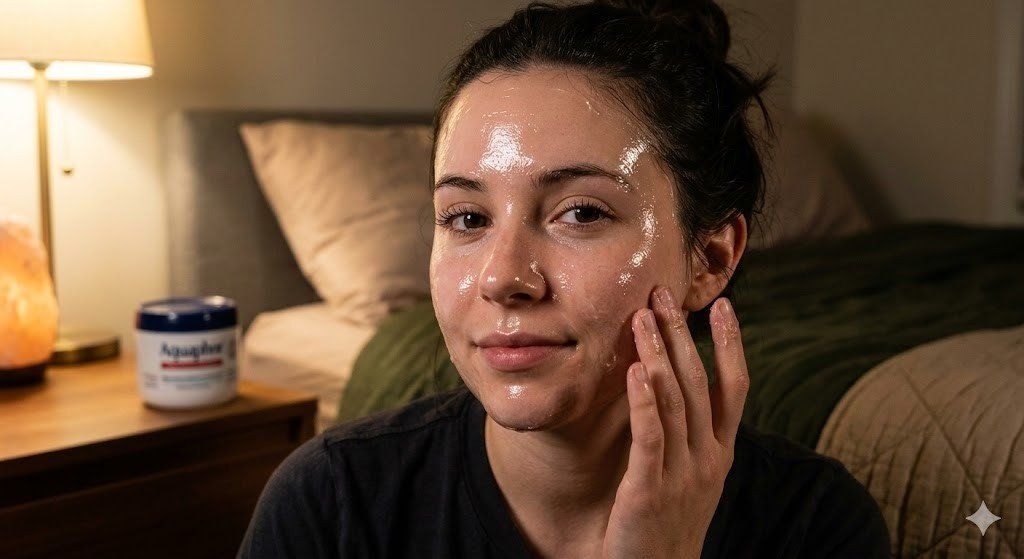
Slugging for Skin: The skincare world is full of trends that promise glowing, hydrated, and healthy skin, and one trend that has captured global attention is slugging. What started as a K-beauty practice has now gone mainstream, with influencers, dermatologists, and skincare enthusiasts discussing its benefits and potential risks.
Slugging is the process of applying a thick occlusive layer, usually petroleum jelly or similar products, on the skin to lock in moisture overnight. While it can be a game-changer for many, it’s not suitable for everyone. This guide will cover what slugging is, its benefits, how to do it safely, potential risks, and who should avoid it.
What Is Slugging?
Slugging is a skincare technique in which you seal your skin with a thick occlusive layer to prevent moisture loss. The term comes from the resemblance to a slug’s glossy trail. The goal is to enhance hydration and repair the skin barrier, particularly for dry or compromised skin.
Key Components of Slugging:
- Occlusive product: Petroleum jelly (Vaseline), mineral oil, or other barrier ointments
- Prepped skin: Cleaned and hydrated with serums or moisturizers
- Overnight application: Left on the skin for 6–8 hours
This method traps water and active ingredients applied before it, allowing the skin to absorb maximum hydration overnight.
How Slugging Works
The skin has a natural barrier that keeps moisture in and irritants out. Factors such as aging, harsh cleansers, environmental stress, or acne treatments can weaken this barrier, leading to dryness, irritation, or sensitivity.
Slugging works by:
- Locking in moisture – The occlusive layer prevents transepidermal water loss (TEWL).
- Enhancing product absorption – Serums and moisturizers applied underneath remain in contact with the skin longer.
- Supporting skin barrier repair – The occlusive layer protects the skin from irritants and promotes recovery.
Benefits of Slugging for Skin
When done correctly, slugging can provide several benefits for different skin types, especially for dry, flaky, or compromised skin.
1. Intense Hydration
Slugging traps water and hydrating ingredients on the skin, resulting in:
- Plumper skin
- Smoother texture
- Reduced dryness and flakiness
2. Strengthened Skin Barrier
Occlusives like petroleum jelly protect the skin from external irritants, giving it time to repair naturally. This is especially beneficial for sensitive or irritated skin.
3. Soothes Dryness and Irritation
For skin affected by winter dryness, eczema, or harsh acne treatments, slugging provides a protective layer that soothes discomfort and redness.
4. Enhances Effectiveness of Moisturizers
Applying slugging over moisturizers and serums prevents moisture from evaporating, helping your products work longer and more effectively.
5. Minimalistic Skincare
Slugging is a low-effort, high-impact technique. It requires only one product (occlusive layer) to dramatically improve hydration overnight.
Step-By-Step Guide to Slugging for skin
Step 1: Start With a Gentle Cleanser
Before slugging, it is essential to cleanse your skin properly. Cleansing removes dirt, oil, makeup, and pollutants that could otherwise get trapped under the occlusive layer.
How to Do It
- Use a gentle, hydrating cleanser.
- Wash your face with lukewarm water.
- Avoid harsh scrubbing or exfoliation.
Why It Matters
Slugging locks everything into your skin. If your face isn’t clean, bacteria or dirt can get trapped, leading to breakouts or irritation.
Step 2: Apply Hydrating Toner or Essence
After cleansing, apply a hydrating toner or essence to replenish moisture.
Benefits
- Restores hydration after cleansing
- Prepares the skin for serums and moisturizers
- Improves product absorption
Ingredients to Look For
- Hyaluronic acid
- Glycerin
- Aloe vera
- Centella asiatica
Pat the toner gently into the skin instead of rubbing it.
Step 3: Apply Hydrating Serums
Serums provide concentrated ingredients that address specific skin concerns. Applying them before slugging allows the occlusive layer to seal these ingredients into the skin.
Recommended Serums
Hydrating serums containing:
- Hyaluronic acid
- Niacinamide
- Panthenol
- Peptides
How to Apply
- Use 2–3 drops of serum.
- Spread evenly across the face.
- Gently pat until absorbed.
These ingredients help plump and hydrate the skin before sealing everything in.
Step 4: Apply Moisturizer
Moisturizer is an important step before slugging because it adds hydration and strengthens the skin barrier.
Benefits of Moisturizer Before Slugging
- Prevents dryness
- Smooths the skin
- Supports the skin barrier
Ingredients to Look For
- Ceramides
- Squalane
- Fatty acids
- Shea butter
Allow the moisturizer to absorb for 1–2 minutes before applying the occlusive layer.
Step 5: Apply the Occlusive Layer (Slugging Step)
Now comes the key step: applying the occlusive product.
Popular Products for Slugging
- Petroleum jelly
- Healing balms
- Occlusive ointments
How to Apply
- Take a pea-sized amount of the product.
- Warm it between your fingers.
- Gently spread a thin layer across your face.
Avoid applying too much, as a thick layer may feel greasy and uncomfortable.
Step 6: Leave It On Overnight
Slugging is most effective when done at night, because your skin naturally repairs itself during sleep.
Overnight Benefits
- Locks in hydration
- Repairs the skin barrier
- Prevents moisture loss
- Helps skin feel soft and smooth in the morning
You may want to use a separate pillowcase since occlusive products can transfer onto fabric.
Step 7: Cleanse Your Face in the Morning
In the morning, wash your face with a gentle cleanser to remove the occlusive layer.
Morning Routine After Slugging
- Gentle cleanser
- Hydrating serum (optional)
- Moisturizer
- Sunscreen SPF 30+
Sunscreen is essential because healthy skin still needs protection from UV damage.
Tips for Successful Slugging for Skin
Use a Thin Layer
Applying too much product can make skin feel greasy and uncomfortable. A thin layer works just as effectively.
Only Slug at Night
Slugging during the day can trap sweat and dirt under the occlusive layer.
Start Slowly
If you are new to slugging, begin with once or twice a week.
Avoid Strong Actives
Avoid slugging immediately after using:
- Strong exfoliating acids
- Benzoyl peroxide
- Prescription acne treatments
These ingredients may cause irritation when sealed under an occlusive layer.
Best Products for Slugging
- Petroleum jelly (Vaseline) – Classic occlusive, fragrance-free
- Mineral oil-based ointments – Non-comedogenic and hydrating
- Occlusive balms with ceramides – For additional skin barrier support
- Squalane or natural oils (for some skin types) – Lightweight and moisturizing
How Often Should You Slug?
Slugging is not a daily necessity. For most skin types:
- Dry or sensitive skin: 2–3 nights per week
- Normal skin: Once a week or as needed
- Oily or acne-prone skin: Use cautiously, maybe once a week
Overuse can trap bacteria or oils, potentially causing breakouts.
Risks and Side Effects of Slugging for Skin
While slugging can be beneficial, there are risks for certain skin types:
1. Acne Breakouts
Thick occlusives can trap oil and bacteria, worsening acne in oily or acne-prone skin.
2. Irritation or Sensitivity
If your skin reacts to the occlusive or underlying products, slugging can increase irritation or redness.
3. Overhydration
Over-hydrating the skin can occasionally lead to puffy, congested skin.
4. Unsuitable for Certain Skin Types
- Oily skin may feel greasy and experience breakouts
- Combination skin needs selective application
- Clog-prone skin should avoid heavy occlusives
Who Should Avoid Slugging for Skin
While almost anyone with dry or normal skin can benefit, certain people should avoid or use caution:
- Oily or acne-prone skin: Occlusives can worsen breakouts
- Sensitive skin prone to reactions: Test on a small area first
- Those allergic to petroleum jelly or mineral oil
Alternative options for these skin types include lightweight moisturizers, humectants like hyaluronic acid, or overnight hydrating masks.
Tips for Safe and Effective Slugging for Skin
- Patch Test First – Especially if you have sensitive skin
- Use Thin Layers – Avoid thick applications that feel heavy
- Apply on Clean Skin – To prevent trapping bacteria
- Combine with Moisturizers or Serums – Slugging works best on pre-hydrated skin
- Frequency Matters – 2–3 times per week is often sufficient
- Monitor Skin Reaction – Stop if irritation, redness, or breakouts occur
Morning Skincare After Slugging
After removing the occlusive layer in the morning:
- Cleanse gently
- Apply hydrating serum or moisturizer if needed
- Apply sunscreen SPF 30+
Slugging does not replace sunscreen; UV protection is essential for healthy skin.
Slugging vs Overnight Masks
While similar in concept, slugging and overnight masks have differences:
- Slugging: Uses occlusive layer (petroleum jelly) to trap moisture
- Overnight masks: Usually contain humectants, antioxidants, or active ingredients for additional treatment
Both enhance hydration, but overnight masks may provide targeted benefits like brightening or anti-aging.
Benefits Recap of Slugging for Skin
- Locks in moisture for long-lasting hydration
- Repairs and strengthens the skin barrier
- Soothes dry, irritated, or sensitive skin
- Enhances effectiveness of moisturizers and serums
- Simple and minimalistic skincare step
Risks Recap of Slugging for Skin
- Can clog pores and cause acne in oily or acne-prone skin
- May irritate sensitive skin if used improperly
- Overuse can lead to over-hydration or congestion
Final Thoughts about Slugging for Skin
Slugging can be a simple, effective way to boost hydration and repair the skin barrier, especially for dry or sensitive skin. However, it’s not suitable for everyone, particularly oily or acne-prone skin.
The key to safe slugging:
- Use thin layers
- Apply over moisturizers or serums
- Limit frequency to 2–3 times per week
- Monitor your skin’s reaction carefully
When done correctly, slugging can transform dry, flaky skin into smooth, hydrated, and healthy-looking skin—making it a favorite overnight skincare technique for many.
Frequently Asked Questions (FAQs) Slugging for Skin
1. What is slugging in skincare?
Slugging is the process of applying a thick occlusive layer, usually petroleum jelly or a similar balm, over hydrated skin to lock in moisture overnight.
2. Who should try Slugging for Skin?
Slugging is best suited for people with dry, flaky, or sensitive skin, or anyone with a compromised skin barrier that needs extra hydration.
3. Can slugging cause acne?
Yes. Oily or acne-prone skin may experience breakouts if the occlusive layer traps oil, bacteria, or dirt. Use caution or avoid slugging if prone to acne.
4. How often should I slug my skin?
For most people with dry skin, 2–3 nights per week is sufficient. Overuse can lead to congestion or over-hydration.
5. What products can I use for Slugging for Skin?
Common occlusive products include:
- Petroleum jelly (Vaseline)
- Mineral oil-based balms
- Occlusive creams containing ceramides or squalane
6. Can men practice slugging?
Yes. Slugging is gender-neutral and can benefit anyone with dehydrated or sensitive skin.
7. Is slugging the same as using an overnight mask?
Not exactly. Slugging locks in moisture with an occlusive barrier, while overnight masks often deliver active ingredients for hydration, brightening, or anti-aging.
8. Can people with combination skin slug?
Yes, but it’s best to apply only to dry areas (like cheeks) and avoid oily zones (like T-zone) to prevent breakouts.
9. How long should the occlusive layer stay on?
Leave the occlusive layer overnight, typically 6–8 hours, and remove it in the morning with a gentle cleanser.
10. Can Slugging for Skin be combined with other skincare treatments?
Yes. Slugging works best over moisturizers or serums, but avoid combining it with strong acne medications or treatments that may irritate the skin.
Also read :