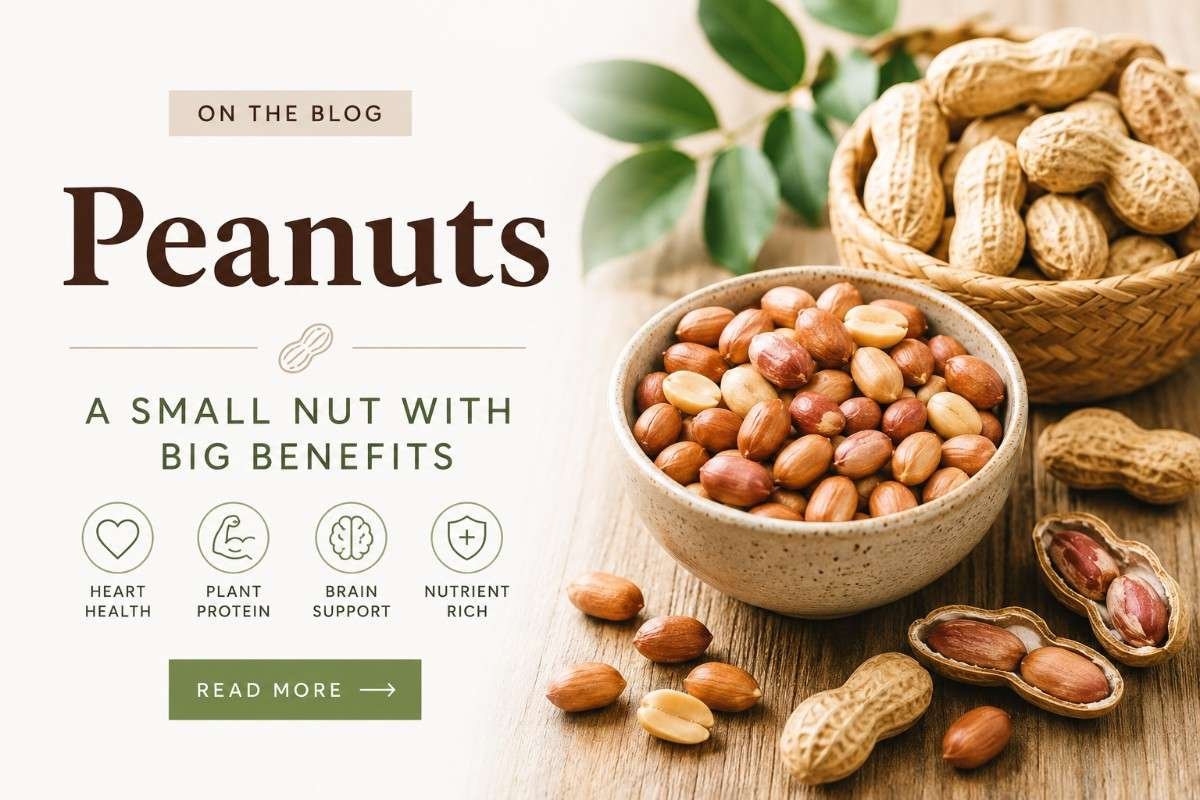
Peanuts are one of the most popular and affordable healthy snacks in the world. They are crunchy, filling, versatile, and easy to include in everyday meals. Many people enjoy them roasted, boiled, salted, in chutney, as peanut butter, or mixed with other dry fruits and seeds.
Although they are commonly called nuts, Groundnuts are technically legumes. They belong to the same plant family as beans, lentils, chickpeas, and soybeans. Unlike almonds, walnuts, and cashews that grow on trees, peanuts grow underground.
Peanuts provide plant-based protein, healthy fats, fiber, vitamins, minerals, and natural antioxidant compounds. When eaten in sensible portions, they may support heart health, energy levels, weight management, digestion, and overall nutrition.
However, peanuts are also high in calories and may cause serious allergic reactions in some people. Choosing good-quality Groundnuts and storing them properly is important.
Peanuts can be a nutritious addition to a balanced diet that includes other healthy foods such as Walnuts, Pistachios.
What Are Peanuts?
Peanuts are edible seeds from the peanut plant, scientifically known as Arachis hypogaea. They are also called:
- Groundnuts
- Earthnuts
- Monkey nuts
- Moongphali
- Mungfali
- Singdana
- Goobers
The peanut plant produces flowers above the ground, but the pods develop below the soil. Each pod usually contains one to four kernels covered by a thin reddish-brown skin.
Groundnuts are often grouped with nuts because their nutrition is similar to tree nuts. Still, they are botanically legumes. This matters for people with food allergies because a peanut allergy is different from a tree-nut allergy.
Peanut Nutrition Facts
Peanuts are nutrient-dense, meaning they provide a lot of nutrients in a small serving. They contain protein, fiber, unsaturated fats, and several important vitamins and minerals.
Nutrition in 100 Grams of Raw Peanuts
| Nutrient | Approximate Amount |
|---|---|
| Calories | 567 calories |
| Protein | 25.8 g |
| Total fat | 49.2 g |
| Carbohydrates | 16.1 g |
| Fiber | 8.5 g |
| Sugar | 4.7 g |
Peanuts are especially rich in healthy monounsaturated and polyunsaturated fats. They also provide magnesium, phosphorus, potassium, zinc, copper, manganese, folate, niacin, and vitamin E.
Because Groundnuts are high in calories, portion size is important. A small handful is usually enough for a snack.
Top Health Benefits of Peanuts
1. Peanuts Are a Good Source of Plant Protein
Protein is important for building and repairing tissues, supporting muscles, making enzymes, and helping you stay full after meals.
Peanuts contain around 25 grams of protein per 100 grams. This makes them a useful plant-based protein choice for vegetarians, vegans, and people who want to reduce their intake of animal foods.
You can add Groundnuts to breakfast, salads, snacks, smoothies, or homemade trail mixes to increase protein intake.
For more protein-rich food ideas, you can link to your article on What Is Protein Pudding?
2. May Support Heart Health
Peanuts contain mostly unsaturated fats, including monounsaturated fats and polyunsaturated fats. These fats can be part of a heart-friendly eating pattern when they replace foods high in saturated fat.
They also provide magnesium, potassium, fiber, plant protein, and antioxidant compounds. These nutrients may support healthy cholesterol levels and normal blood vessel function.
Eating a variety of nuts, seeds, legumes, fruits, vegetables, and whole grains is generally more beneficial than relying on one food alone.
You can add an internal link here to your article: DASH Diet for Heart Health.
3. May Help With Weight Management
Peanuts are high in calories, but they can still fit into a weight-loss diet when eaten in controlled portions.
Their combination of protein, fiber, and healthy fats may help you feel satisfied for longer. Feeling full after a snack may reduce the urge to eat highly processed foods later.
Instead of eating a large packet of salted peanuts, choose a small handful of plain, roasted Groundnuts . You can also pair them with fruit, yogurt, or a cup of tea.
For a healthy weight-management article, add an internal link to How Intermittent Fasting Helps You Lose Weight Fast.
4. May Help Control Hunger
Many snacks are high in refined carbohydrates and low in protein. These foods may give quick energy but can leave you hungry soon afterward.
Groundnuts contain protein, fat, and fiber, which digest more slowly than sugary snacks. This may help reduce hunger between meals.
A small serving of Groundnuts can be a practical snack for work, travel, school, or evening hunger.
5. Supports Energy Production
Groundnuts contain nutrients involved in energy metabolism, including niacin, magnesium, phosphorus, and B vitamins.
Your body uses these nutrients to help convert food into usable energy. Groundnuts are not a magic energy food, but they can be part of a balanced diet that supports daily activity.
Try combining Groundnuts with banana slices, dates, oats, or fruit for a more balanced snack.
6. Contains Antioxidant Compounds
Peanuts contain natural plant compounds such as resveratrol, phenolic acids, flavonoids, and phytosterols.
Antioxidants help protect cells from oxidative stress caused by normal metabolism and environmental factors. Roasting may increase the availability of some antioxidant compounds, although heavily fried or sugar-coated peanut products are less healthy choices.
For best results, choose dry-roasted Groundnuts without excessive salt, sugar, or oil.
7. May Support Blood Sugar Balance
Peanuts are relatively low in carbohydrates compared with many snack foods. Their protein, fat, and fiber may help slow digestion when eaten as part of a balanced meal.
For example, adding Groundnuts to a fruit snack may reduce how quickly the meal is digested compared with eating sweet foods alone.
People with diabetes can often include Groundnuts in their diet, but serving size and total daily carbohydrate intake still matter. Anyone taking diabetes medication should speak with a doctor or dietitian for personalized advice.
8. Supports Digestive Health
Peanuts provide dietary fiber, which supports normal digestion and regular bowel movements.
Fiber also feeds beneficial bacteria in the gut. A diet containing fruits, vegetables, beans, whole grains, nuts, and seeds can support a healthier digestive system.
However, eating too many Groundnuts at once may cause bloating or stomach discomfort in some people, especially if they are not used to high-fiber foods.
9. May Support Skin Health
Peanuts contain vitamin E, healthy fats, zinc, and antioxidant compounds. These nutrients play a role in normal skin structure and protection.
Healthy skin depends on many factors, including hydration, sleep, sun protection, protein intake, and a balanced diet. Groundnuts can support skin nutrition, but they cannot replace skincare, medical treatment, or sunscreen.
For related content, link to your article on Rice Water for Skin and Hair.
10. May Support Brain Function
Groundnuts provide niacin, vitamin E, healthy fats, and antioxidant compounds that are important for overall nutrition.
The brain needs healthy fats and a steady supply of nutrients to function properly. Including a variety of nutrient-rich foods, including Groundnuts , walnuts, seeds, fruits, vegetables, and whole grains, can support a balanced eating pattern.
For another brain-friendly food article, you can link to Walnuts: Benefits for Brain and Heart Health.
11. May Support Bone Health
Peanuts contain magnesium, phosphorus, and manganese. These minerals are involved in bone structure and normal body functions.
Groundnuts should not be considered a replacement for calcium-rich foods, vitamin D, exercise, or medical care. Still, they can be a nutritious addition to a bone-supportive diet.
12. A Budget-Friendly Healthy Snack
One of the biggest benefits of Groundnuts is their affordability. Compared with many other nuts, Groundnuts are usually cheaper while still providing protein, fiber, and healthy fats.
This makes them useful for students, families, athletes, and anyone trying to eat nutritious foods on a budget.
A small packet of plain roasted Groundnuts can be a better option than chips, candy, or sugary biscuits.
Types of Peanuts
Peanuts are available in many forms. Each type can fit into a healthy diet, depending on ingredients and portion size.
Raw Peanuts
Raw Groundnuts have not been roasted. They can be used in cooking, boiling, chutneys, and homemade peanut butter.
Roasted Peanuts
Dry-roasted Groundnuts are a popular snack. Choose unsalted or lightly salted versions when possible.
Boiled Peanuts
Boiled Groundnuts are soft and flavorful. They are common in some regions and can be eaten as a snack.
Salted Peanuts
Salted Groundnuts can be tasty, but they may contain a lot of sodium. People with high blood pressure should limit heavily salted snacks.
Peanut Butter
Natural peanut butter is made mainly from Groundnuts . Check the label and choose options with little or no added sugar, hydrogenated oil, or excess salt.
Peanut Oil
Peanut oil is often used for cooking because it has a high smoke point. However, it is still calorie-dense and should be used in moderation.
Peanut Flour
Peanut flour is made from ground Groundnuts . It can add protein and flavor to smoothies, baking recipes, sauces, and energy balls.
How Many Peanuts Should You Eat Per Day?
A healthy serving is usually around:
- A small handful
- About 28 to 30 grams
- Approximately 25 to 35 peanuts, depending on size
This amount provides protein, healthy fats, and fiber without adding too many calories.
People with higher calorie needs, such as athletes or very active individuals, may eat more. People trying to lose weight may need to measure portions carefully.
Avoid eating Groundnuts directly from a large packet because it is easy to overeat without noticing.
Best Time to Eat Peanuts
There is no single best time for everyone. You can eat Groundnuts whenever they fit into your routine.
In the Morning
Add peanuts to poha, oats, smoothies, or breakfast bowls for protein and crunch.
As an Evening Snack
A small handful of roasted peanuts can help control hunger before dinner.
Before or After Exercise
Peanuts can provide energy and protein. Pair them with fruit, milk, yogurt, or a banana for a more balanced snack.
At Night
Peanuts can be eaten at night in a small portion. Avoid heavily salted, spicy, or fried versions if they cause thirst, acidity, or indigestion.
Healthy Ways to Eat Peanuts
Here are simple ways to add Groundnuts to your diet:
- Eat plain dry-roasted peanuts as a snack
- Add crushed peanuts to poha or upma
- Make homemade peanut chutney
- Sprinkle peanuts over salads
- Add peanut butter to toast or oats
- Blend peanuts into smoothies
- Mix peanuts with seeds and dried fruit
- Add ground peanuts to curries and sauces
- Use peanut powder in yogurt or porridge
- Make homemade energy balls with Groundnuts, oats, and dates
Try to choose plain, roasted, or boiled Groundnuts more often than sugar-coated, deep-fried, or heavily salted varieties.
Peanuts for Weight Loss
Groundnuts can support weight management when eaten in moderate amounts. Their protein, fat, and fiber may help reduce hunger and prevent overeating.
However, Groundnuts are calorie-dense. Even healthy foods can contribute to weight gain if eaten in very large quantities.
Tips for Eating Peanuts During Weight Loss
- Measure one small handful instead of eating from the packet
- Choose dry-roasted or boiled Groundnuts
- Avoid honey-coated, chocolate-coated, and deep-fried Groundnuts
- Pair peanuts with fruit or vegetables
- Use peanut butter in a controlled serving
- Include peanuts as part of a balanced meal plan
A healthy diet for weight loss should include vegetables, fruits, protein foods, whole grains, water, sleep, and regular movement.
Are Peanuts Good for Diabetes?
Peanuts can be a good snack option for many people with diabetes because they are low in carbohydrates and contain protein, fiber, and fats.
They may be more filling than biscuits, sweets, or refined snacks. Still, flavored peanut products can contain added sugar, salt, or oil.
Choose plain roasted Groundnuts or natural peanut butter. Watch portion size because Groundnuts are high in calories.
People with diabetes should follow their doctor’s or dietitian’s advice, especially if they use insulin or blood sugar-lowering medication.
Peanut Side Effects and Risks
Peanuts are healthy for many people, but they are not suitable for everyone.
1. Peanut Allergy
Peanut allergy can be severe and potentially life-threatening. Symptoms may include:
- Itching or hives
- Swelling of lips, tongue, or throat
- Wheezing or difficulty breathing
- Vomiting or stomach pain
- Dizziness or fainting
Anyone with a peanut allergy should avoid Groundnuts and peanut-containing products. If severe allergy symptoms occur, seek emergency medical help immediately.
2. High Calorie Intake
Peanuts are nutritious but high in calories. Eating large amounts every day may lead to unwanted weight gain.
Stick to a small serving, especially if you are trying to lose weight.
3. Added Salt and Sugar
Salted peanuts may increase sodium intake. Sugar-coated or flavored Groundnuts may contain extra sugar, oil, and calories.
Choose plain, dry-roasted, or lightly salted Groundnuts whenever possible.
4. Aflatoxin Risk
Peanuts can sometimes be affected by molds that produce aflatoxins, especially when storage conditions are warm and humid. Food-safety agencies monitor aflatoxins because high exposure can harm health.
Buy peanuts from trusted brands, avoid Groundnuts that smell moldy or look damaged, and store them in a cool, dry, airtight container. Do not eat Groundnuts that taste bitter, stale, or show visible mold.
5. Digestive Discomfort
Some people may experience gas, bloating, or acidity after eating Groundnuts . This may happen when eating large portions or when Groundnuts are heavily spiced.
Start with a small amount and see how your body responds.
Are Peanuts Better Than Almonds?
Both Groundnuts and almonds are nutritious, but they have different strengths.
| Feature | Peanuts | Almonds |
| Plant family | Legume | Tree nut |
| Protein | Higher | Moderate |
| Vitamin E | Moderate | Higher |
| Cost | Usually lower | Usually higher |
| Fiber | Good source | Good source |
| Healthy fats | High | High |
Groundnuts are an affordable protein-rich choice, while almonds are especially known for vitamin E. Including different nuts and seeds in your diet can provide a wider range of nutrients.
You can link here to your article: Almonds: Benefits, Nutrition and Side Effects.
FAQ
Are peanuts healthy?
Yes, Groundnuts can be healthy when eaten in moderate amounts. They provide protein, healthy fats, fiber, vitamins, and minerals.
Are peanuts nuts or legumes?
Groundnuts are legumes, not tree nuts. They are related to beans, lentils, and soybeans.
Can I eat peanuts every day?
Many people can eat a small handful of Groundnuts daily as part of a balanced diet. Avoid them if you have a peanut allergy.
Are peanuts good for weight loss?
They can be helpful because they may keep you full, but portion control is important because they are high in calories.
Are roasted peanuts healthy?
Dry-roasted peanuts can be healthy. Choose unsalted or lightly salted versions without added oil or sugar.
Is peanut butter healthy?
Natural peanut butter can be healthy when it contains mostly Groundnuts and has little added sugar, salt, or hydrogenated oil.
Can people with diabetes eat peanuts?
Many people with diabetes can include Groundnuts in a balanced diet. Plain roasted Groundnuts are usually a better choice than sweet or flavored versions.
Can peanuts cause acne?
There is no clear evidence that Groundnuts directly cause acne in everyone. However, some people may notice skin changes after certain foods. If you suspect Groundnuts trigger symptoms, speak with a healthcare professional.
Conclusion
Peanuts are a nutritious, affordable, and versatile food. They provide plant protein, healthy fats, fiber, vitamins, minerals, and antioxidants. When eaten in moderate portions, Groundnuts may support fullness, heart health, energy levels, digestion, and overall nutrition.
The healthiest options are plain, boiled, or dry-roasted Groundnuts with little added salt, sugar, or oil. A small handful per day is enough for most people.
However, people with peanut allergies should avoid them completely. It is also important to buy good-quality Groundnuts , store them properly, and avoid Groundnuts that smell stale, moldy, or bitter.
Adding peanuts to a balanced diet can be a simple way to enjoy a satisfying snack while getting important nutrients. For more healthy food guides, explore our articles on Tiger Nuts.
Sources and References
- Healthline: Peanuts 101—Nutrition Facts and Health Benefits
- U.S. Food and Drug Administration: Mycotoxins and Aflatoxins
- FDA: Aflatoxins in Peanuts and Peanut Products
- WebMD: Peanuts Health Benefits and Nutrition
About the Author
Hitasha is a health and wellness content writer who creates easy-to-understand articles about nutrition, healthy foods, fitness, and lifestyle habits.
Disclaimer
This article is for general educational purposes only and is not a substitute for professional medical advice, diagnosis, or treatment. Consult a qualified healthcare professional for personalized guidance, especially if you have allergies, diabetes, digestive issues, or any medical condition.