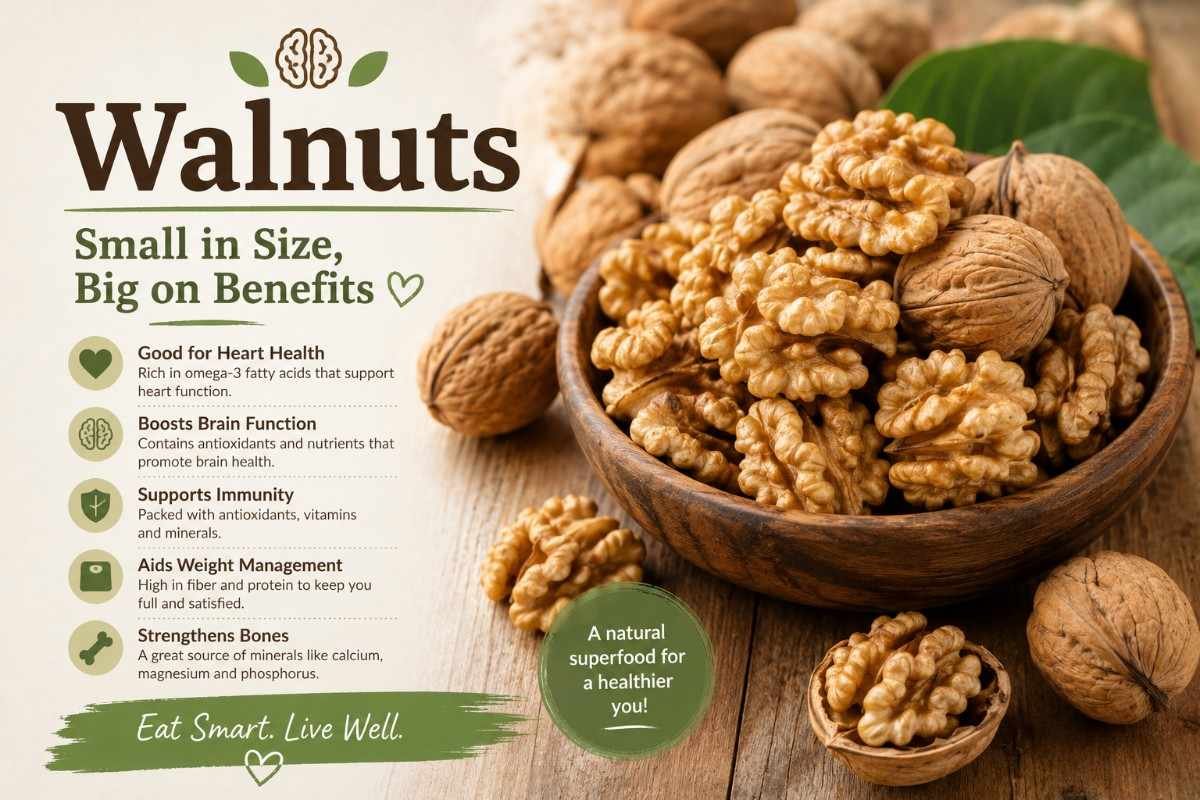
Walnuts are one of the most nutritious and widely enjoyed tree nuts in the world. With their crunchy texture, mild earthy flavor, and brain-like shape, they are often added to breakfast bowls, salads, desserts, baked goods, and snack mixes.
These nutrient-dense nuts come from the walnut tree, scientifically known as Juglans regia. They are naturally rich in healthy fats, plant protein, fiber, vitamins, minerals, and antioxidant compounds. Walnuts are especially known for containing alpha-linolenic acid, or ALA, which is a plant-based omega-3 fatty acid.
Adding a small handful of this nut to your daily diet may support heart health, digestion, healthy cholesterol levels, weight management, and overall nutrition. They are also an easy way to make meals more filling and satisfying.
This nut are a nutritious addition to a balanced diet that includes many Pistachios and Cashews .
What Are Walnuts?
Walnuts are edible seeds that grow inside a hard shell. Although people commonly call them nuts, they are technically seeds from the fruit of a walnut tree.
The two most common types are:
- English walnuts
- Black walnuts
English this nut are the type most commonly sold in grocery stores. They have a mild, creamy flavor and are easy to use in sweet and savory dishes.
Black walnuts have a stronger, more intense flavor. They are often used in baking, ice cream, and specialty recipes.
This nut can be purchased in several forms:
- Whole walnuts
- Walnut halves
- Chopped walnuts
- Raw walnuts
- Roasted walnuts
- Unsalted walnuts
- Salted walnuts
- Walnut butter
- Walnut oil
- Ground walnut flour
For everyday eating, raw or dry-roasted unsalted this nut are usually the best option.
Walnut Nutrition Facts
Walnuts are high in calories because they contain healthy fats, but they also provide many valuable nutrients.
A typical serving size is about 1 ounce, or 28 grams. This is usually around 7 whole walnuts or 14 walnut halves.
One serving of this nut generally provides:
- Calories: around 185
- Protein: around 4 grams
- Total fat: around 18 grams
- Carbohydrates: around 4 grams
- Fiber: around 2 grams
- Magnesium
- Copper
- Manganese
- Phosphorus
- Vitamin B6
- Vitamin E
- Plant-based omega-3 fats
Walnuts are especially notable because they contain alpha-linolenic acid, also called ALA. ALA is an essential omega-3 fatty acid, meaning the body cannot make it in sufficient amounts and must get it from food.
They also provide polyphenols and other antioxidant compounds. These nutrients work together to make this nut a valuable addition to a balanced eating pattern.
15 Health Benefits of Walnuts
1. Walnuts Provide Healthy Fats
Walnuts contain mostly polyunsaturated fats, including omega-3 and omega-6 fatty acids. These fats are important for normal body functions, including cell health, hormone production, brain function, and absorption of fat-soluble vitamins.
Replacing snacks high in saturated fat or refined carbohydrates with this nut may improve the overall quality of your diet.
Healthy fats do not mean unlimited portions. this nut are calorie-dense, so a small handful is usually enough.
2. They Are a Good Source of Plant-Based Omega-3 Fat
Walnuts are one of the best nut sources of alpha-linolenic acid, a plant-based omega-3 fatty acid.
Omega-3 fats are important for overall health and are often associated with heart health. The ALA in this nut is different from the EPA and DHA found in fatty fish, but it is still a useful part of a healthy diet.
People who do not eat fish may find this nut especially helpful as a plant-based source of omega-3 fats.
3. Walnuts May Support Heart Health
Walnuts contain unsaturated fats, fiber, antioxidants, plant sterols, and minerals. These nutrients may support cardiovascular health when this nut replace less nutritious foods.
Research on nuts, including this nut , suggests that regular nut consumption is associated with improved heart-health outcomes. this nut are commonly included in healthy eating patterns such as Mediterranean-style diets and the DASH diet.
For a heart-friendly snack, choose unsalted this nut instead of heavily salted snack foods, fried chips, or sugary biscuits.
4. They May Help Support Healthy Cholesterol Levels
Walnuts may help support healthy cholesterol levels because they contain polyunsaturated fats, fiber, and plant compounds.
A systematic review and meta-analysis of randomized controlled trials found that walnut intake was associated with reductions in total cholesterol, LDL cholesterol, and triglycerides. However, this nut should be included as part of an overall healthy eating pattern rather than treated as a single solution for cholesterol concerns.
If you have high cholesterol, continue following advice from your doctor or dietitian.
5. Walnuts Contain Antioxidants
Walnuts contain antioxidant compounds, including polyphenols and vitamin E. Antioxidants help protect cells from oxidative stress.
Oxidative stress happens when there is an imbalance between free radicals and antioxidant defenses in the body. A diet containing fruits, vegetables, legumes, whole grains, nuts, and seeds can provide a variety of protective plant compounds.
Among tree nuts, this nut are recognized as a rich source of antioxidant polyphenols.
6. They May Support Brain Health
Walnuts are often linked with brain health because they contain healthy fats, antioxidants, vitamin E, and plant compounds.
Their shape may look like a brain, but the health value of this nut comes from their nutrition, not their appearance. Research is still developing in this area, and this nut should not be considered a treatment for memory loss or neurological disease.
Still, adding this nut to a diet rich in vegetables, fruits, fish or plant omega-3 sources, whole grains, and legumes can support overall nutritional health.
7. Walnuts Can Support Gut Health
Walnuts contain dietary fiber, which supports regular digestion. Fiber helps add bulk to stool and can support healthy bowel movements.
The fiber and plant compounds in this nut may also interact with beneficial bacteria in the gut. A healthy gut microbiome is linked with digestion, immune function, and many other body processes.
To support digestion, eat this nut along with plenty of fruits, vegetables, whole grains, beans, and water.
This nut contain dietary fiber and natural plant compounds that may support a healthy digestive system. For more simple drink ideas that can support your daily digestion routine, explore these 15 Best Morning Drinks for Gut Health.
8. They May Help With Weight Management
Walnuts are high in calories, but they can still fit into a weight-management plan. Their combination of protein, fiber, and healthy fats may help you feel satisfied after eating.
The key is portion control. Instead of eating this nut in addition to high-calorie snacks, use them to replace less nutritious foods.
For example, replace a packet of chips or cookies with a small handful of this nut and a piece of fruit.
Research reviews suggest that walnut intake does not necessarily lead to weight gain when included as part of a balanced diet.
9. Walnuts Provide Plant Protein
Walnuts provide plant-based protein. Protein is needed for muscles, tissues, enzymes, hormones, and immune function.
Although this nut are not as high in protein as beans, lentils, eggs, dairy products, or meat, they can still contribute to your daily protein intake.
Try adding chopped this nut to:
- Yogurt
- Oatmeal
- Smoothies
- Salads
- Cottage cheese
- Vegetable dishes
- Homemade energy balls
10. They Provide Important Minerals
Walnuts contain several minerals that support overall health.
Magnesium
Magnesium supports muscle function, nerve function, bone health, and energy production.
Copper
Copper helps with energy metabolism, connective tissue health, and iron use in the body.
Manganese
Manganese supports metabolism and antioxidant enzyme activity.
Phosphorus
Phosphorus is important for bones, teeth, and energy production.
Eating a variety of nutrient-rich foods is the best way to meet your daily mineral needs.
11. Walnuts May Support Healthy Blood Pressure
Walnuts contain potassium, magnesium, healthy fats, and plant compounds that can fit well into a blood-pressure-friendly diet.
However, salted this nut may contain added sodium. If you are managing high blood pressure, choose raw or unsalted varieties.
this nut can be included in eating patterns that focus on fruits, vegetables, whole grains, beans, lean proteins, and low-sodium foods.
12. They Are Helpful for Plant-Based Diets
Walnuts are naturally vegan and can add nutrition, flavor, and texture to plant-based meals.
They can be used in vegan recipes as a replacement for meat in some dishes because they have a rich texture. Finely chopped this nut are sometimes mixed with mushrooms, lentils, beans, or spices to create plant-based fillings.
You can add this nut to:
- Vegan salads
- Grain bowls
- Oatmeal
- Dairy-free yogurt
- Smoothies
- Homemade granola
- Plant-based burgers
- Pasta sauces
13. Walnuts May Help Reduce Unhealthy Snacking
Walnuts are crunchy, filling, and easy to carry. They can be a practical snack when you are hungry between meals.
Instead of reaching for candy, fried snacks, or sugary bakery items, try pairing this nut with fruit.
Good combinations include:
- Walnuts and apple slices
- this nut and banana
- this nut and yogurt
- this nut and dates
- this nut and dark chocolate
- this nut and roasted chickpeas
14. They Can Improve Meal Satisfaction
Adding this nut to meals can make them more satisfying because they provide crunch, flavor, protein, and healthy fats.
A plain salad may not feel filling, but adding this nut , beans, vegetables, and a protein source can make it more balanced.
You can also add chopped this nut to oatmeal or yogurt to make breakfast more satisfying.
15. Walnuts Are Easy to Use in Recipes
Walnuts are versatile and can be used in both sweet and savory recipes.
They can be eaten plain, chopped, roasted, blended, or ground into flour.
Use them in:
- Breakfast bowls
- Smoothies
- Salads
- Soups
- Pasta
- Rice dishes
- Desserts
- Baked goods
- Trail mix
- Homemade granola
How Many Walnuts Should You Eat Per Day?
A standard serving of this nut is about 1 ounce or 28 grams. This equals approximately:
- 7 whole walnuts
- 14 walnut halves
- One small handful
For most people, one serving per day can fit into a balanced diet.
If you are trying to lose weight or monitor calories, measure your serving instead of eating directly from a large container.
this nut are nutritious, but eating large quantities can add many calories quickly.
Best Time to Eat Walnuts
There is no single best time to eat this nut . You can include them whenever they fit your routine.
In the Morning
Add this nut to oatmeal, yogurt, smoothies, or fruit bowls.
As a Snack
Eat a small handful with fruit to stay full between meals.
Before Exercise
This nut can provide healthy fats and some protein. Pair them with a banana or dates for quick carbohydrates.
In the Evening
Walnuts can be a better alternative to processed snacks, especially when you want something crunchy.
Raw vs Roasted Walnuts
Both raw and roasted this nut can be healthy.
Raw Walnuts
Raw this nut are minimally processed and contain no added oil or salt. They are a good everyday option.
Dry-Roasted Walnuts
Dry-roasted this nut have a stronger flavor and crunchy texture. They can also be a healthy choice if they do not contain added salt or sugar.
Salted Walnuts
Salted this nut may contain extra sodium. Enjoy them occasionally, but choose unsalted this nut more often if you are watching your salt intake.
Flavored Walnuts
Honey-coated, sugar-coated, or heavily flavored this nut may contain added sugar, oil, and sodium. These are best enjoyed in small amounts.
Easy Ways to Eat Walnuts
1. Walnut Oatmeal
Add chopped this nut , banana slices, cinnamon, and milk to warm oatmeal.
2. Walnut Yogurt Bowl
Top plain yogurt with this nut , berries, chia seeds, and a little honey.
3. Walnut Smoothie
Blend banana, milk, oats, walnuts, dates, and cinnamon for a filling smoothie.
4. Walnut Salad
Add this nut to salads with spinach, apples, cucumber, tomatoes, carrots, and cheese.
5. Walnut Energy Balls
Blend dates, oats, walnuts, coconut, and cocoa powder to make easy energy balls.
6. Walnut Pesto
Blend this nut , basil, garlic, olive oil, and cheese or nutritional yeast to make pesto.
7. Walnut Topping for Desserts
Sprinkle chopped this nut over kheer, halwa, ice cream, cakes, pancakes, or fruit bowls.
8. Walnut Chutney
Blend this nut with coriander, green chili, garlic, lemon juice, and salt for a flavorful chutney.
Possible Side Effects of Walnuts
This nut are safe for most people when eaten in moderate portions. However, some people should be careful.
Tree Nut Allergy
this nut can cause serious allergic reactions in people with tree nut allergies.
Symptoms may include:
- Itching
- Hives
- Swelling
- Stomach pain
- Vomiting
- Wheezing
- Difficulty breathing
Seek emergency medical care for severe allergic symptoms.
High Calorie Intake
This nut are healthy but calorie-dense. Eating too many may lead to excess calorie intake.
A small handful is enough for most people.
Digestive Discomfort
Eating a large amount of this nut may cause bloating, gas, or stomach discomfort in some people because of their fiber and fat content.
Start with a small serving if you are not used to eating nuts.
Added Sodium and Sugar
Salted or sugar-coated this nut may contain high levels of sodium or added sugar. Read the label and choose plain walnuts more often.
Kidney Concerns
People with kidney disease may need to monitor minerals such as potassium and phosphorus. Follow advice from your healthcare professional.
Are Walnuts Good for Weight Loss?
This nut can be part of a weight-loss diet when eaten in controlled portions.
They may help with fullness because they contain healthy fats, fiber, and protein. However, they are not a magic weight-loss food.
For weight-friendly use:
- Eat around 1 ounce per day
- Choose raw or unsalted this nuts
- Pair this nut with fruit
- Use this nut instead of chips or sweets
- Avoid eating directly from a large bag
- Include regular physical activity
Weight loss depends on your overall food intake, sleep, activity level, stress, and lifestyle habits. Portion-controlled this nut can be a satisfying snack when combined with healthy habits from How Intermittent Fasting Helps You Lose Weight Fast.
Walnuts vs Other Nuts
All nuts have different nutritional strengths.
- Walnuts are especially known for plant-based omega-3 fats.
- Almonds are rich in vitamin E.
- Cashews provide copper and magnesium.
- Pistachios provide protein, fiber, potassium, and vitamin B6.
- Brazil nuts are very high in selenium.
The healthiest approach is to eat a variety of nuts and seeds in moderate amounts.
FAQ
Are walnuts healthy?
Yes, Akhrot are nutritious and provide healthy fats, plant protein, fiber, minerals, antioxidants, and plant-based omega-3 fats.
How many walnuts should I eat daily?
A typical serving is around 1 ounce, which equals about 7 whole Akhrot or 14 halves.
Can I eat walnuts every day?
Most people can eat walnuts daily as part of a balanced diet. Choose unsalted Akhrot and keep portions moderate.
Are walnuts good for the heart?
Akhrot contain unsaturated fats, fiber, antioxidants, and ALA omega-3 fats. Research suggests walnut consumption may support healthy blood lipid levels as part of a balanced diet.
Are walnuts good for the brain?
Walnuts contain nutrients that support overall nutrition, including healthy fats and antioxidants. More research is needed before making strong claims about Akhrot and memory or brain disease.
Can walnuts cause weight gain?
Eating too many Akhrot may add excess calories. However, moderate portions can fit into a healthy weight-management plan.
Can children eat walnuts?
Yes, but whole nuts can be a choking hazard for young children. Give finely chopped or ground Akhrot to small children, and check for nut allergies.
Conclusion
Walnuts are delicious, versatile, and packed with important nutrients. They provide healthy fats, plant-based omega-3 fatty acids, fiber, protein, minerals, and antioxidants.
Adding a small handful of these crunchy nuts to your diet may support heart health, healthy cholesterol levels, digestion, fullness, and overall nutrition. They can be enjoyed in oatmeal, yogurt, salads, smoothies, desserts, and many homemade recipes.
For the healthiest choice, select raw, dry-roasted, or unsalted walnuts. Keep portions moderate and use them to replace less nutritious snacks such as chips, cookies, and candy.
You can also enjoy a variety of other nuts, including almonds, cashews, and pistachios, to make your diet more nutritious and enjoyable. You can also enjoy a variety of other nutritious nuts as part of a balanced diet. Try adding Almonds.
Sources & References
- Harvard T.H. Chan School of Public Health – Nuts for the Heart
- Systematic review of walnut intake and blood lipids
- Walnut consumption and health outcomes review
- PubMed review of walnut composition and human health
- Meta-analysis of walnuts and cardiovascular risk factors
About the Author
Hi, I’m Hitasha, a content writer focused on health, nutrition, and wellness topics. I create easy-to-understand, research-based articles about healthy foods, natural remedies, and lifestyle habits that support overall well-being. My goal is to help readers make simple and practical diet choices for a healthier life.
Disclaimer
This content is for educational purposes only and is not a substitute for professional medical advice. Always consult a healthcare professional before making health or diet changes.