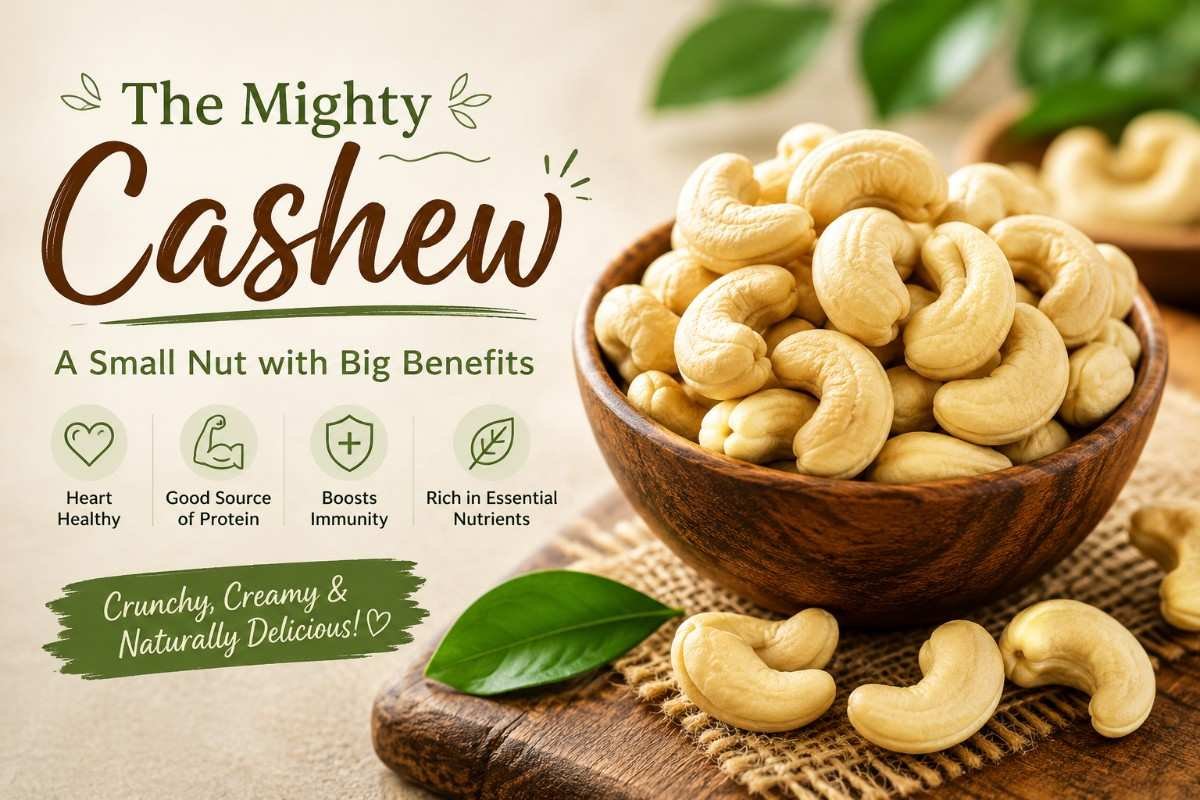
Cashews are among the most popular and delicious nuts enjoyed around the world. Known for their creamy texture and mildly sweet flavor, cashews are not only tasty but also packed with essential nutrients that support overall health.
Originally native to Brazil, cashews are now cultivated in many tropical countries, including India, Vietnam, and Nigeria. These kidney-shaped nuts are rich in healthy fats, plant protein, vitamins, minerals, and antioxidants.
Whether eaten as a snack, added to recipes, or blended into dairy-free milk and sauces, These protein-rich nuts can be a nutritious addition to a balanced diet. If you enjoy nutrient-rich nuts, you may also like our guides on Almond Benefits and Tiger Nuts Benefits.
What Are Cashews?
Cashews are the edible seeds of the cashew tree (Anacardium occidentale). Unlike most nuts, cashews grow attached to the bottom of a cashew apple.
The nut is protected by a hard shell containing natural oils that can irritate the skin. Therefore, These protein-rich nuts are always processed before reaching consumers.
Today, These protein-rich nuts are widely used in:
- Snacks
- Trail mixes
- Vegan cheese
- Cashew butter
- Plant-based milk
- Desserts
- Curries
Nutrition Facts of Cashews
A 1-ounce (28-gram) serving of These protein-rich nuts provides approximately:
| Nutrient | Amount |
|---|---|
| Calories | 157 |
| Protein | 5 g |
| Fat | 12 g |
| Carbohydrates | 9 g |
| Fiber | 1 g |
| Magnesium | 20% DV |
| Copper | 67% DV |
| Zinc | 15% DV |
| Iron | 11% DV |
| Phosphorus | 13% DV |
These protein-rich nuts are particularly rich in magnesium, copper, and healthy unsaturated fats.
25 Health Benefits of Cashews
1. Supports Heart Health
These protein-rich nuts contain heart-friendly monounsaturated and polyunsaturated fats that may help support healthy cholesterol levels.
These protein-rich nuts contain heart-friendly monounsaturated and polyunsaturated fats that may help support healthy cholesterol levels. For a complete heart-healthy eating plan, explore our guide on DASH Diet for Heart Health.
2. Rich in Antioxidants
These protein-rich nuts contain antioxidants such as polyphenols and carotenoids that help protect cells from oxidative stress.
3. Helps Maintain Healthy Cholesterol
Research suggests that replacing saturated fats with nuts may support healthier cholesterol levels.
4. Supports Brain Function
The magnesium, zinc, and healthy fats in These protein-rich nuts contribute to normal brain function.
5. Good Source of Plant Protein
Protein helps build and repair body tissues.
Cashews provide a convenient plant-based protein source for vegetarians and vegans.
6. Supports Bone Health
These protein-rich nuts contain magnesium and phosphorus, minerals important for strong bones.
7. May Improve Energy Levels
Copper helps the body produce energy and supports various metabolic processes.
8. Supports Healthy Blood Formation
The iron and copper found in These protein-rich nuts help support red blood cell production.
9. Helps Support Immune Function
Cashews provide zinc, which plays a key role in immune health.
10. May Help With Weight Management
Although calorie-dense, nuts can promote fullness and reduce unnecessary snacking.
These protein-rich nuts contain a combination of protein, healthy fats, and fiber that may help increase feelings of fullness and reduce unnecessary snacking. Pairing nutrient-dense foods with strategies discussed in How Intermittent Fasting Helps You Lose Weight Fast may support healthy weight-management goals.
11. Supports Muscle Function
Magnesium helps muscles contract and relax properly.
12. Promotes Healthy Skin
The antioxidants and healthy fats in cashews contribute to healthy-looking skin.
13. Supports Healthy Hair
Copper contributes to melanin production, which helps maintain hair pigmentation.
14. Helps Reduce Oxidative Stress
Antioxidants help neutralize free radicals in the body.
15. Supports Eye Health
These protein-rich nuts contain lutein and zeaxanthin, compounds associated with eye health.
16. May Help Maintain Healthy Blood Pressure
Magnesium contributes to normal blood pressure regulation.
17. Supports Healthy Metabolism
Several nutrients in These protein-rich nuts assist the body’s metabolic processes.
18. May Improve Satiety
The combination of protein, fats, and fiber helps keep you satisfied longer.
19. Supports Nerve Function
Magnesium plays an important role in nerve communication.
20. Convenient Healthy Snack
These protein-rich nuts are portable and easy to include in a healthy eating plan.
21. Supports Healthy Aging
Antioxidants may help reduce age-related cellular damage.
22. Beneficial for Plant-Based Diets
Cashews provide nutrients often emphasized in vegetarian and vegan diets.
23. Can Be Used as a Dairy Alternative
Cashews are commonly used to make:
- Cashew milk
- Vegan cheese
- Cream sauces
24. Naturally Gluten-Free
These protein-rich nuts are naturally gluten-free, making them suitable for many dietary patterns.
25. Versatile in Cooking
These protein-rich nuts can be used in:
- Smoothies
- Salads
- Curries
- Desserts
- Trail mixes
- Nut butter
How to Eat Cashews
There are many ways to enjoy These protein-rich nuts :
Raw Cashews
A simple and nutritious snack.
Roasted Cashews
Popular for their crunchy texture.
Cashew Butter
Spread on toast or fruit.
Cashew Milk
A dairy-free alternative.
Smoothies
Blend soaked These protein-rich nuts into smoothies.
Homemade Energy Balls
Combine These protein-rich nuts with dates and seeds.
Cashews for Weight Loss
Many people avoid nuts because of their calorie content, but moderate consumption can fit into a healthy diet.
These protein-rich nuts contain:
- Protein
- Healthy fats
- Minerals
These nutrients may help increase feelings of fullness.
Internal Link Opportunity:
Link to:
- Volume Eating
- Japanese Walking Method
- 6-6-6 Walking Trend for Weight Loss
Cashews for Heart Health
Heart health benefits come primarily from:
- Unsaturated fats
- Magnesium
- Antioxidants
Replacing processed snacks with nuts may support a heart-friendly eating pattern.
Internal Link Opportunity:
Link to Beetroot Water Benefits.
Cashews for Vegetarians and Vegans
These protein-rich nuts are popular among plant-based eaters because they provide:
- Protein
- Iron
- Zinc
- Magnesium
- Copper
They are frequently used to create creamy dairy alternatives.
These protein-rich nuts are highly valued in plant-based nutrition because they provide protein, healthy fats, iron, zinc, and magnesium. They are often used to make dairy-free milk, vegan cheese, and creamy sauces. If you’re considering a plant-based lifestyle, explore our guide on Vegan vs Vegetarian Diet.
Cashew Milk vs Dairy Milk
| Feature | Cashew Milk | Dairy Milk |
|---|---|---|
| Lactose-Free | Yes | No |
| Vegan | Yes | No |
| Protein | Lower | Higher |
| Saturated Fat | Lower | Higher |
| Calories | Usually Lower | Moderate |
Potential Side Effects of Cashews
Although generally safe, excessive consumption may cause certain issues.
1. Nut Allergies
Individuals with tree nut allergies should avoid These protein-rich nuts .
2. Excess Calories
Eating large quantities may contribute to excess calorie intake.
3. Added Sodium
Salted varieties can contain high amounts of sodium.
Choose unsalted options when possible.
4. Digestive Discomfort
Overeating nuts may cause bloating or digestive discomfort in some individuals.
5. Kidney Concerns
These protein-rich nuts contain oxalates, which may be a concern for certain individuals prone to kidney stones.
Consult a healthcare professional if needed.
How Many Cashews Should You Eat Per Day?
A typical serving size is:
1 ounce (28 grams)
This equals approximately:
16–18 cashews
Most people can safely enjoy one serving daily as part of a balanced diet.
Best Time to Eat Cashews
Morning
Provides energy and nutrients.
As a Snack
Helps manage hunger between meals.
Before Workouts
Offers healthy fats and minerals.
In Smoothies
Adds creaminess and nutrition.
Tips for Buying Cashews
Choose:
✔ Unsalted varieties
✔ Fresh aroma
✔ No mold or discoloration
✔ Airtight packaging
Store in a cool, dry place for freshness.
FAQs
Are cashews healthy?
Yes. These protein-rich nuts provide healthy fats, protein, vitamins, minerals, and antioxidants that support overall health.
Can I eat cashews every day?
Most healthy individuals can enjoy a moderate serving of These protein-rich nuts daily as part of a balanced diet.
Do cashews help with weight loss?
Cashews may support weight management because their protein and healthy fats help promote fullness.
Are cashews good for heart health?
These protein-rich nuts contain unsaturated fats and minerals that support cardiovascular wellness.
How many cashews should I eat per day?
Around 16–18 cashews (1 ounce or 28 grams) is a common serving size.
Can diabetics eat cashews?
These protein-rich nuts have a relatively low glycemic impact and may fit into a diabetes-friendly diet when consumed in moderation.
Are roasted cashews healthy?
Yes. Dry-roasted, unsalted These protein-rich nuts can be a nutritious snack option.
Do cashews contain protein?
Yes. A one-ounce serving provides approximately 5 grams of protein.
Conclusion
Cashews are nutrient-dense nuts that offer a wide range of health benefits. Rich in healthy fats, protein, magnesium, copper, and antioxidants, they can support heart health, bone health, energy production, and overall wellness.
When enjoyed in moderation as part of a balanced diet, cashews make a delicious and versatile addition to meals and snacks. Whether eaten on their own, blended into dairy-free recipes, or added to salads and desserts, These protein-rich nuts provide both flavor and nutrition.
For more information about plant-based eating, read our guide on Gut Health Diet
Sources & References
- USDA FoodData Central – Cashews Nutrition Data
- Harvard T.H. Chan School of Public Health – Nuts and Health
- Mayo Clinic – Healthy Fats Guide
- Academy of Nutrition and Dietetics
- Cleveland Clinic – Benefits of Nuts
About the Author
Hitasha is a health and wellness content writer passionate about creating evidence-based nutrition, fitness, and healthy lifestyle articles that help readers make informed decisions for better well-being.
Disclaimer
This article is for educational and informational purposes only and is not intended as medical advice. Always consult a qualified healthcare professional before making significant changes to your diet, nutrition, or health routine.