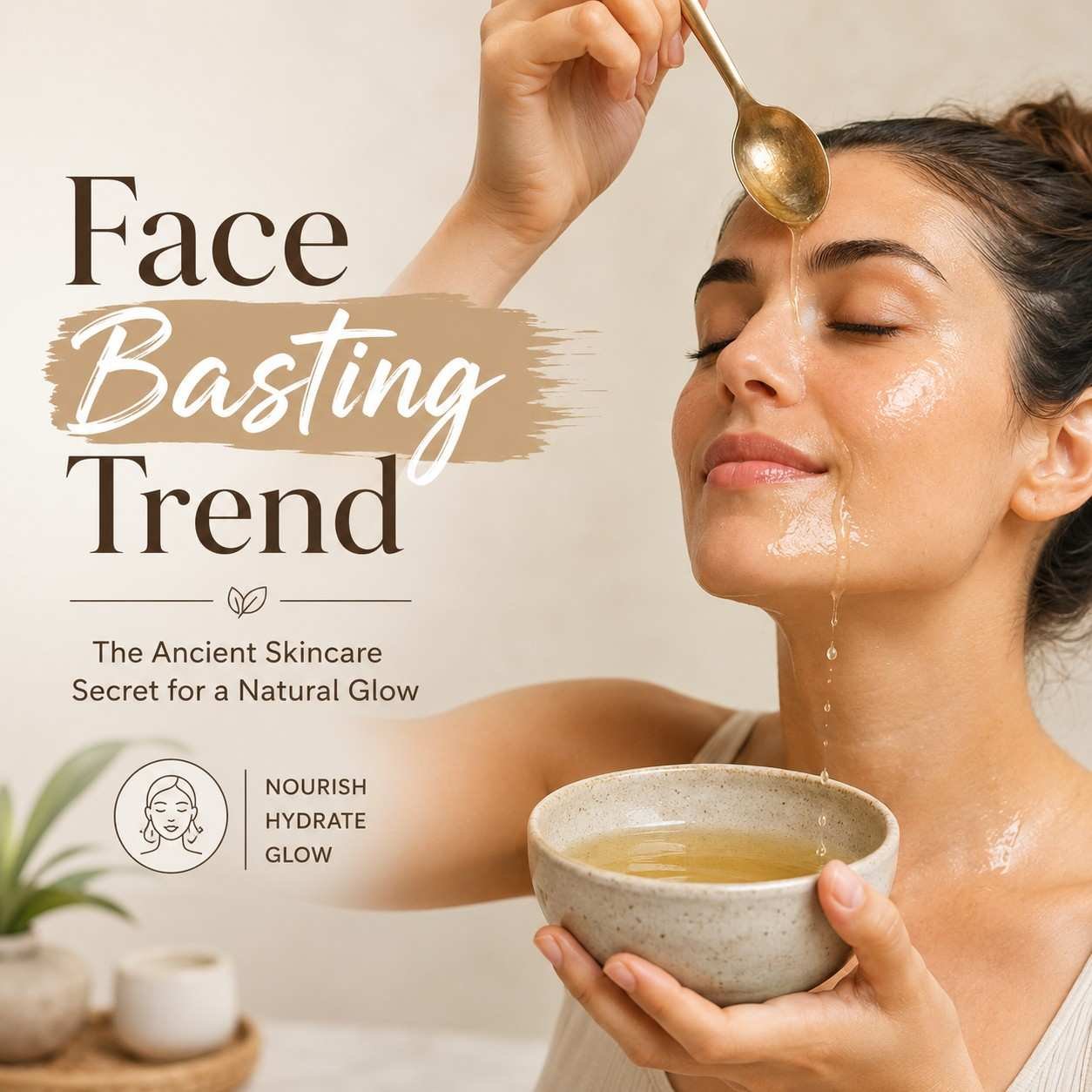
If you’ve spent time on TikTok, Instagram, or skincare forums recently, you’ve probably seen people talking about the Face Basting Trend. Beauty influencers claim it helps repair the skin barrier, reduce dryness, calm irritation, and even leave skin looking smoother and more radiant overnight.
But is face basting another viral beauty fad, or is there real science behind it?
The answer lies somewhere in between. Face basting is one of several skincare trends gaining attention in 2026. If you’re interested in the latest beauty innovations, you may also enjoy our guide to the Cryotherapy Skincare Trend, which explores how cold therapy may help reduce puffiness and refresh the skin.
When done correctly, face basting can help lock in moisture and support a healthy skin barrier—especially for people with dry or sensitive skin. However, using the wrong products or trying it too often may lead to clogged pores, breakouts, or irritation, particularly if you have oily or acne-prone skin.
In this guide, you’ll learn exactly what face basting is, how it works, its benefits and risks, who should try it, and how to do it safely based on expert skincare advice.
What Is the Face Basting Trend?
Face basting is a nighttime skincare technique that involves applying a thick layer of a moisturizer or barrier-repair cream as the final step in your evening routine.
The goal is to:
- Lock in hydration
- Reduce overnight water loss
- Repair the skin barrier
- Soothe irritation
- Wake up with softer, healthier-looking skin
Unlike heavy occlusive methods that rely mostly on petrolatum, face basting typically emphasizes ceramide-rich moisturizers and barrier-supporting ingredients to nourish the skin while reducing moisture loss.
Although the trend gained popularity through social media, dermatologists have long recommended intensive moisturization for people with eczema, very dry skin, and impaired skin barriers.
Why Is Face Basting Trending?
Several factors have made face basting one of the biggest skincare trends in 2026.
1. Skin Barrier Health Is a Major Focus
Modern skincare has shifted away from using many harsh products at once. Instead, dermatologists increasingly emphasize maintaining a healthy skin barrier.
People are realizing that stronger skin often looks healthier than skin overloaded with active ingredients. This renewed focus on skin health is also reflected in the growing popularity of Sustainable Skincare Trends, where consumers prioritize gentle ingredients, eco-friendly packaging, and routines that support long-term skin health rather than quick fixes.
2. It Fits the “Skinimalism” Trend
Rather than using ten or more products every night, many people now prefer a simple skincare routine focused on hydration and skin repair.
Face basting fits perfectly into this minimalist approach.
3. Cold Weather Increases Dryness
During winter, indoor heating and cold outdoor temperatures can strip moisture from the skin.
Face basting helps reduce overnight dehydration, making it especially popular during colder months.
4. Recovery After Active Ingredients
Products containing retinol, exfoliating acids, or acne treatments can weaken the skin barrier if overused. Many skincare enthusiasts now follow Skin Cycling, a routine that alternates active ingredients with recovery nights to minimize irritation and strengthen the skin barrier. Face basting fits perfectly into these recovery days by providing deep hydration and nourishment.
Many people use face basting on recovery nights to help soothe and replenish the skin.
How Does Face Basting Work?
To understand face basting, it’s helpful to know how your skin naturally protects itself.
The outermost layer of the skin, called the skin barrier, acts like a protective wall.
It helps:
- Prevent moisture loss
- Keep bacteria out
- Protect against pollution
- Reduce irritation
- Maintain smooth skin
When this barrier becomes damaged, you may notice:
- Dryness
- Tightness
- Flaking
- Redness
- Increased sensitivity
- Burning after applying skincare products
Face basting supports the skin barrier by creating a protective layer over the skin that slows transepidermal water loss (TEWL) while allowing moisturizing ingredients to work overnight.
The result is skin that often feels softer, calmer, and better hydrated by morning.
Benefits of the Face Basting Trend
1. Deep Overnight Hydration
One of the biggest advantages of face basting is intense hydration. If hydration is your main skincare goal, you might also want to explore the Skin Flooding Trend, another viral routine that focuses on layering lightweight hydrating products before sealing in moisture with a moisturizer.
A rich moisturizer helps prevent water from evaporating while you sleep.
By morning, many people notice that their skin feels:
- Softer
- Plumper
- More comfortable
- Less tight
This benefit is especially noticeable for people with dry or mature skin.
2. Supports the Skin Barrier
A damaged skin barrier can make your skin more reactive to everyday products.
Barrier-repair creams often contain ingredients such as:
- Ceramides
- Cholesterol
- Fatty acids
- Glycerin
These ingredients help replenish the skin’s natural protective layer and improve its ability to retain moisture.
3. Reduces Dry Patches
People who experience flaky skin around the nose, cheeks, or forehead often see improvement after consistent use of barrier-repair moisturizers.
Face basting Trend helps soften rough areas while reducing visible flaking.
4. Calms Irritated Skin
Environmental stressors like wind, pollution, and harsh cleansers can leave skin irritated.
A rich moisturizing layer may help soothe:
- Mild redness
- Tightness
- Sensitivity
- Dry irritation
However, it should not be used as a treatment for severe skin conditions without medical guidance.
5. Gives Skin a Healthy Glow
Hydrated skin naturally reflects light better.
After several nights of proper moisturization, skin often appears:
- Brighter
- Fresher
- More radiant
- Healthier
This glow comes from improved hydration rather than dramatic overnight changes.
6. Helps Reduce Moisture Loss
Every day, your skin loses water through a natural process called transepidermal water loss (TEWL).
This process increases when the skin barrier is weakened.
Face basting Trend creates a protective seal that helps slow this moisture loss, allowing the skin to stay hydrated for longer.
7. Complements Retinol Recovery Nights
Many people alternate active ingredients with recovery nights.
Instead of using retinol every evening, they dedicate one or two nights each week to repairing the skin barrier.
Face basting can be a helpful addition to these recovery nights, especially if your skin feels dry or sensitive after using active ingredients.
Who Can Benefit Most from Face Basting?
Face Basting Trend is generally best suited for people who experience dryness or a weakened skin barrier.
You may benefit if you have:
- Dry skin
- Very dry winter skin
- Mature skin
- Sensitive skin
- Mild eczema (with guidance from a healthcare professional)
- A compromised skin barrier from overusing exfoliants or retinoids
It can also help individuals whose skin feels tight after cleansing or who notice flaking despite using regular moisturizers.
Who Should Be Careful?
Face Basting Trend: Although face basting has benefits, it isn’t ideal for everyone.
People with the following skin types should approach it cautiously:
Oily Skin
Using a very heavy moisturizer every night may leave oily skin feeling greasy and uncomfortable.
Acne-Prone Skin
Some thick creams may trap oil and contribute to clogged pores or breakouts, depending on the formulation.
Rosacea
People with rosacea should choose fragrance-free, gentle barrier creams and avoid products that trigger flare-ups.
Combination Skin
Instead of applying a thick layer to the entire face, many people with combination skin benefit from applying it only to dry areas.
Step-by-Step Face Basting Trend Routine
If you want to try face basting, the key is to keep the routine simple and focus on repairing your skin barrier rather than layering multiple active ingredients.
Step 1: Cleanse Your Face
Start with a gentle, fragrance-free cleanser that removes dirt, sunscreen, and makeup without stripping your skin.
Avoid harsh scrubs or cleansers containing high amounts of alcohol if your skin is already dry or irritated.
Step 2: Apply Hydrating Products (Optional)
If your skin tolerates them well, you can apply a lightweight hydrating serum before your moisturizer.
Look for ingredients such as:
- Hyaluronic acid
- Glycerin
- Panthenol (Vitamin B5)
- Beta-glucan
These ingredients attract water to the skin and enhance hydration. If you’re already practicing the Microbiome Skincare, the hydrating serums used in that routine can work well before applying your barrier cream for face basting Trend, provided your skin tolerates the products.
Step 3: Apply a Thick Barrier Cream
The final step is applying a generous layer of a rich moisturizer or barrier-repair cream.
Choose products that contain ingredients like:
- Ceramides
- Cholesterol
- Fatty acids
- Squalane
- Shea butter
- Petrolatum (for very dry skin)
Spread the cream evenly across your face without rubbing aggressively.
Step 4: Leave It Overnight
Allow the moisturizer to remain on your skin while you sleep.
By morning, wash your face with lukewarm water or use a gentle cleanser if needed.
Best Ingredients for Face Basting Trend
Not every moisturizer is suitable for face basting Trend. Products designed to repair the skin barrier usually provide the best results.
Ceramides
Ceramides are lipids naturally found in the skin. They help strengthen the skin barrier and reduce moisture loss.
Benefits
- Repairs damaged skin barrier
- Locks in moisture
- Reduces dryness
- Supports healthy skin
Glycerin
Glycerin is a powerful humectant that draws water into the outer layer of the skin.
Benefits
- Deep hydration
- Improves skin softness
- Reduces tightness
Hyaluronic Acid
Hyaluronic acid helps retain moisture and leaves the skin looking plumper.
It works best when followed by a moisturizer that seals in hydration.
Panthenol (Vitamin B5)
Panthenol is known for its soothing and moisturizing properties.
It may help calm redness and improve skin comfort.
Squalane
Squalane is a lightweight emollient that softens the skin without feeling overly greasy.
Many people with combination skin find it easier to tolerate than heavier oils.
Shea Butter
Shea butter helps soften rough, flaky skin and supports long-lasting hydration.
It is especially helpful during winter.
Ingredients to Avoid During Face Basting Trend
Face Basting Trend: Since the goal is skin recovery, avoid layering multiple strong active ingredients underneath a heavy moisturizer.
These combinations can increase irritation.
Avoid using face basting immediately after applying:
- High-strength retinoids
- Glycolic acid
- Lactic acid
- Salicylic acid (if your skin is already irritated)
- Strong exfoliating peels
- Benzoyl peroxide (unless advised by a dermatologist)
Instead, reserve face basting for nights when your skin needs hydration and repair.
Potential Risks of the Face Basting Trend
While face basting offers several benefits, it isn’t risk-free.
1. Breakouts
Using very heavy creams on oily or acne-prone skin may clog pores in some individuals.
Choosing a non-comedogenic moisturizer can reduce this risk.
2. Milia
Applying thick occlusive products around the eyes may contribute to tiny white bumps called milia in susceptible people.
Avoid placing heavy creams too close to the eyelids unless the product is intended for that area.
3. Product Buildup
Using too many layers of skincare before face basting may create product buildup, making the skin feel greasy.
A simple routine is usually more effective.
4. Irritation
If the moisturizer contains fragrance, essential oils, or irritating preservatives, sensitive skin may react.
Patch-testing new products before applying them to your entire face is always a good idea.
5. Not Suitable for Everyone
People with fungal acne or certain skin conditions may not tolerate rich occlusive creams well.
If you have ongoing skin concerns, consult a dermatologist before changing your routine.
Face Basting vs. Slugging
Face Basting Trend: Many people confuse these two skincare trends, but they are different.
| Face Basting | Slugging |
|---|---|
| Uses a thick barrier-repair moisturizer | Uses a petrolatum-based occlusive like petroleum jelly |
| Focuses on repairing the skin barrier | Primarily prevents water loss |
| Often contains ceramides and nourishing ingredients | Usually contains few active skincare ingredients |
| Feels lighter than petroleum jelly | Can feel very greasy |
| Suitable for many dry skin types | Best for extremely dry skin |
Both techniques aim to reduce moisture loss, but face basting often provides additional barrier-supporting ingredients.
Common Face Basting Trend Mistakes
Face Basting Trend: Avoid these common mistakes to get the best results.
Using Too Much Product
A generous layer is enough. Applying excessive amounts won’t necessarily improve results and may feel uncomfortable.
Applying Over Irritating Products
Avoid sealing strong acids or retinoids under a thick moisturizer if your skin is already irritated.
Skipping Cleansing
Always start with clean skin to avoid trapping dirt, oil, and makeup under the moisturizer.
Using It Every Night Without Need
Many people only need face basting one to three times per week, depending on their skin type and climate.
Choosing the Wrong Moisturizer
Pick a moisturizer designed for barrier repair rather than one with unnecessary fragrance or harsh ingredients.
Dermatologist Tips for Safe Face Basting
Face Basting Trend: To maximize benefits while minimizing risks:
- Start once or twice a week.
- Choose fragrance-free products.
- Look for ceramides and glycerin.
- Avoid using harsh exfoliants on the same night.
- Apply to slightly damp skin for better hydration.
- Stop if irritation or breakouts occur.
- Consult a dermatologist if you have eczema, rosacea, or persistent acne.
FAQs
Is face basting safe?
Yes. Face basting is generally safe for most people with dry or sensitive skin when performed using a gentle barrier-repair moisturizer. People with acne-prone skin should choose non-comedogenic products and monitor how their skin responds.
Can I do face basting every day?
It depends on your skin type. Dry skin may tolerate nightly use, while combination or oily skin often benefits from doing it only one to three nights each week.
Is face basting good for acne?
Face basting is not a treatment for acne. However, if acne medications have weakened your skin barrier, occasional face basting with a suitable moisturizer may help reduce dryness and irritation.
Does face basting clog pores?
It can if you use a very heavy or comedogenic product, especially if you have oily skin. Choosing a non-comedogenic moisturizer lowers the risk.
Can I use face basting with retinol?
Yes, but many people prefer using face basting on alternate “recovery nights” rather than layering a thick moisturizer over retinol every evening. This can help support the skin barrier while reducing irritation.
How long does it take to see results?
Many people notice softer, more hydrated skin after one night. Improvements in a damaged skin barrier may take several days to a few weeks, depending on your skin’s condition and the consistency of your routine.
Conclusion
The Face Basting Trend has gained popularity because it encourages something dermatologists have recommended for years: protecting and repairing the skin barrier. By using a rich, barrier-supporting moisturizer as the final step in your nighttime routine, you can reduce moisture loss, soothe dryness, and wake up with softer, healthier-looking skin.
Face basting works best as part of a balanced skincare routine. Depending on your skin concerns, you may also benefit from learning about Gen Z Skincare Routine, Vegan Skincare, to build a routine that supports healthy skin year-round. Supporting your skin from within by maintaining hydration, including options like Chlorophyll Water, may also complement healthy skincare habits, though topical skincare remains the foundation of good skin health
Ultimately, healthy skin isn’t about following every viral trend—it’s about understanding your skin’s needs and building a consistent routine with products that support long-term skin health. When used appropriately, face basting can be a valuable addition to your skincare routine, especially during colder months or whenever your skin barrier needs extra care.
Sources & References
- American Academy of Dermatology (AAD) – Skin Care Basics
- American Academy of Dermatology (AAD) – Dry Skin: Self-Care Tips
- National Eczema Association – Skin Barrier & Moisturizing
- Cleveland Clinic – Dry Skin: Causes, Treatments & Prevention
About the Author
Hitasha is a health and wellness content writer at Trendyopedia, specializing in skincare, nutrition, healthy living, and evidence-based lifestyle topics. She creates well-researched, reader-friendly articles that simplify complex health information into practical advice. Her goal is to help readers make informed decisions through accurate, up-to-date, and trustworthy content aligned with the latest scientific research and expert recommendations.
Disclaimer
The information provided in this article is for educational and informational purposes only and should not be considered medical advice. Results from skincare routines may vary depending on your skin type and individual health conditions. Always perform a patch test before trying new skincare products, and consult a qualified dermatologist or healthcare professional if you have persistent skin concerns, allergies, eczema, rosacea, or other medical conditions. Trendyopedia strives to provide accurate, evidence-based information but does not replace professional medical diagnosis or treatment.