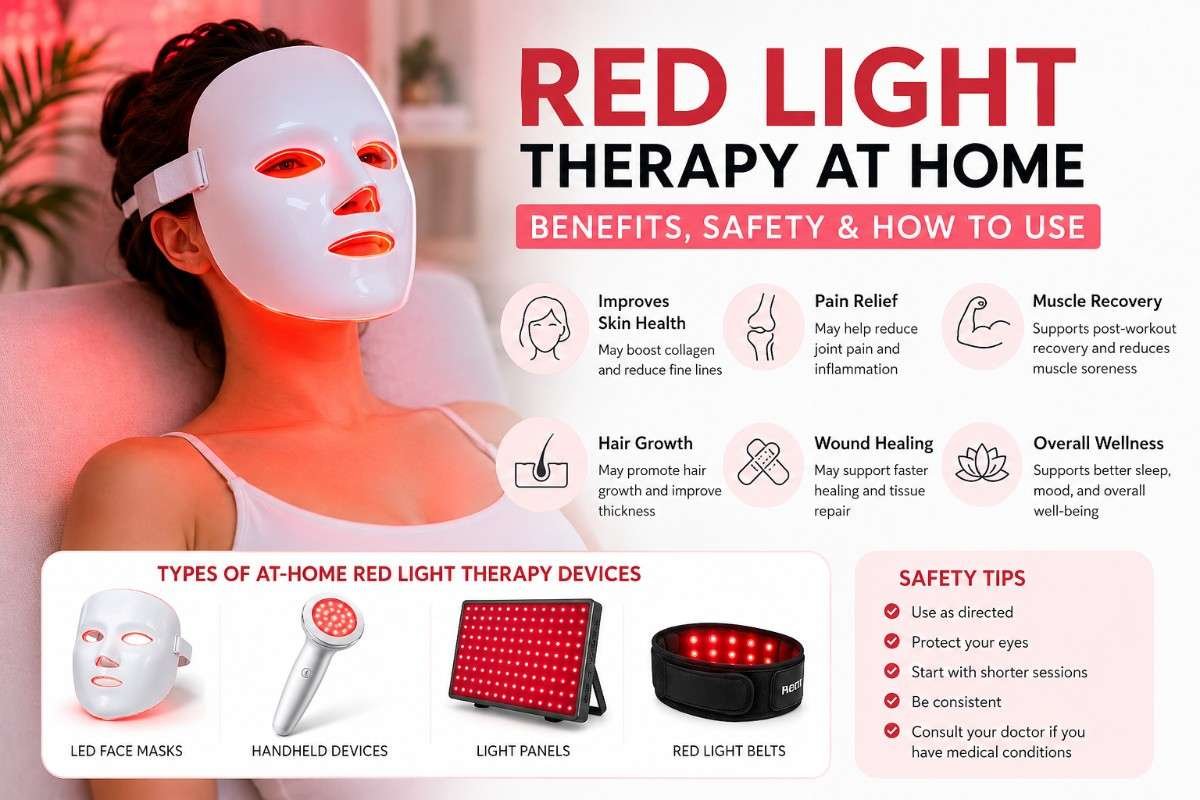
Red light therapy (RLT) has become one of the fastest-growing wellness and skincare trends in recent years. Once available mainly in dermatology clinics, medical spas, and physical therapy centers, red light therapy devices are now widely available for home use. From LED face masks and handheld wands to full-body light panels, these products promise benefits such as healthier-looking skin, reduced signs of aging, pain relief, muscle recovery, and even improved hair growth.
The growing popularity of at-home red light therapy is driven by advances in LED technology, increasing consumer interest in non-invasive skincare treatments, and the convenience of using professional-inspired devices without leaving home.
As light-based skincare continues to evolve, different wavelengths are being used for different skin concerns. While red light is commonly associated with skin rejuvenation and collagen support, Blue Light Skincare is often used to target acne-causing bacteria and improve blemish-prone skin. Understanding how these therapies differ can help you choose the best option for your skincare goals.
What Is Red Light Therapy?
Red light therapy is a non-invasive treatment that uses specific wavelengths of low-level red and near-infrared light to expose the skin and underlying tissues.
Unlike ultraviolet (UV) rays from the sun, red light therapy does not tan the skin or damage DNA through UV radiation. Instead, it delivers visible red light and, in some devices, near-infrared light that may support normal cellular processes.
Scientists continue to study red light therapy for a variety of applications, including skin health, wound healing, pain management, and muscle recovery. While research is promising in some areas, the effectiveness can vary depending on the condition being treated, the wavelength used, and the quality of the device.
According to the National Center for Complementary and Integrative Health (NCCIH), red light therapy and other light-based treatments continue to be studied for their potential health applications, though evidence varies depending on the condition.
How Does Red Light Therapy Work?
Red light therapy works by delivering light energy into the skin.
These wavelengths are absorbed by structures inside cells called mitochondria, often described as the cell’s energy producers.
Researchers believe this light exposure may support the production of adenosine triphosphate (ATP), the molecule that cells use as an energy source for normal biological functions.
By supporting cellular activity, red light therapy may help promote skin renewal and recovery processes. However, researchers are still investigating exactly how these mechanisms translate into long-term clinical benefits.
Why Is Red Light Therapy Trending?
Several factors have contributed to its growing popularity.
1. Non-Invasive Beauty Treatment
Unlike injections or cosmetic procedures, red light therapy does not involve needles, surgery, or significant downtime.
Many people appreciate its convenience and gentle approach.
2. Growing Interest in Skin Health
Consumers are increasingly focusing on maintaining healthy skin rather than simply covering imperfections.
Red light therapy fits into routines that emphasize hydration, barrier repair, and long-term skin care.
Many skincare enthusiasts also follow routines like Skin Cycling to balance active ingredients with recovery nights, helping maintain a healthy skin barrier alongside treatments such as red light therapy.
3. At-Home Technology
Modern LED technology has made home devices smaller, safer, and more affordable.
Consumers can now perform regular treatments without visiting a clinic.
4. Social Media Influence
Beauty creators and wellness influencers frequently share their experiences with LED masks and light therapy panels.
Although these testimonials can be helpful, personal experiences should not replace scientific evidence.
Potential Benefits of Red Light Therapy
1. May Improve the Appearance of Fine Lines
Some clinical studies suggest that red light therapy may help improve the appearance of fine lines and wrinkles by supporting normal collagen production.
Collagen is an important structural protein that helps maintain skin firmness and elasticity.
Results typically develop gradually with consistent use rather than overnight. The American Academy of Dermatology (AAD) notes that collagen naturally decreases with age, making sun protection and consistent skincare important for maintaining healthy-looking skin.
If you’re exploring non-invasive anti-aging treatments, you may also be interested in PDRN Skincare: Why Salmon DNA Is Trending, which focuses on skin repair and hydration.
2. Supports Skin Hydration
Healthy skin requires a strong moisture barrier.
Many users report softer, smoother skin after incorporating red light therapy into a skincare routine that also includes gentle cleansing, moisturizers, and sunscreen.
Red light therapy should be viewed as a complementary treatment rather than a replacement for basic skincare. Pairing red light therapy with hydration-focused routines, such as the Skin Flooding Trend, may help maximize moisture retention and improve overall skin comfort.
3. May Reduce Temporary Redness
Some research suggests that low-level light therapy may help calm temporary redness associated with minor skin irritation.
However, people with chronic inflammatory skin conditions such as rosacea or eczema should consult a dermatologist before using light therapy devices.
4. May Support Wound Healing
Red light therapy has been studied for its potential role in supporting tissue repair and wound healing.
Most of this research has been conducted in medical settings under professional supervision.
At-home devices are generally intended for cosmetic wellness rather than treating medical wounds.
5. Muscle Recovery
Athletes and fitness enthusiasts sometimes use red light therapy after exercise.
Emerging research suggests it may help reduce post-exercise muscle soreness and support recovery, although results vary between studies.
6. Joint Comfort
Some individuals report temporary relief from minor joint discomfort after consistent red light therapy sessions.
It should not replace prescribed treatments for arthritis or other medical conditions.
7. Hair and Scalp Health
Certain FDA-cleared low-level light devices have been studied for pattern hair loss.
Research suggests that some individuals may experience improvements in hair density with consistent use over several months.
Results vary depending on the underlying cause of hair loss. Some FDA-cleared low-level laser and light devices are available for treating certain types of hair loss, though results vary between individuals.
Types of At-Home Red Light Therapy Devices
Choosing the right device depends on your goals.
LED Face Masks
These wearable masks cover most of the face and are designed for cosmetic skincare.
Common uses include:
- Fine lines
- Dull skin
- Mild redness
- Overall skin maintenance
Handheld Devices
Portable devices allow users to target specific areas such as:
- Face
- Neck
- Hands
- Scars
- Small joints
They are convenient but usually require more treatment time because of their smaller coverage area.
Light Panels
Larger LED panels can treat broader areas of the body.
These are popular among athletes and people interested in full-body wellness routines.
Red Light Therapy Belts
Flexible therapy belts are designed for:
- Lower back
- Knees
- Shoulders
- Abdomen
These are often used for temporary pain management and muscle recovery.
Who Can Benefit from Red Light Therapy at Home?
At-home red light therapy may be suitable for adults who want to:
- Improve the appearance of aging skin
- Support skin hydration
- Complement an anti-aging routine
- Promote muscle recovery
- Explore non-invasive wellness treatments
- Support healthy hair growth (with appropriate devices)
People with certain medical conditions should speak with a healthcare professional before beginning treatment.
Is Red Light Therapy Safe?
For most healthy adults, red light therapy is generally considered safe when used according to the manufacturer’s instructions.
Unlike tanning beds, red light therapy devices do not emit harmful ultraviolet radiation.
However, safety depends on:
- Device quality
- Proper usage
- Treatment duration
- Eye protection (when recommended)
- Individual health conditions
Following the manufacturer’s instructions is essential.
How to Use Red Light Therapy at Home Safely
Using red light therapy correctly is essential for achieving the best possible results while minimizing unnecessary risks. Although at-home devices are generally designed to be user-friendly, following the manufacturer’s instructions is important because treatment times and recommended distances vary between products.
Step 1: Start with Clean Skin
Wash your face or the treatment area with a gentle cleanser to remove makeup, sunscreen, oil, and dirt.
Clean skin allows the light to reach the surface more effectively.
Step 2: Position the Device Correctly
Keep the device at the distance recommended by the manufacturer.
Some LED masks sit directly on the face, while handheld devices and light panels are typically positioned several inches away.
Step 3: Follow the Recommended Treatment Time
Most home devices recommend sessions lasting approximately 10–20 minutes, depending on the device and treatment area.
Longer sessions do not necessarily produce better results.
Consistency is usually more important than increasing treatment time.
Step 4: Protect Your Eyes
Some devices recommend wearing protective eyewear, especially when treating areas close to the eyes.
Avoid staring directly into bright LED lights unless the manufacturer specifically states it is safe.
Step 5: Apply Your Skincare Routine
After treatment, continue with your normal skincare routine.
Many people apply:
- Hydrating serum
- Moisturizer
- Sunscreen (during the day)
Barrier-supporting products can complement red light therapy by helping maintain healthy skin.
How Often Should You Use Red Light Therapy?
The ideal schedule depends on the device and your skincare goals.
Many manufacturers recommend:
- 2–5 sessions per week for cosmetic skincare.
- Maintenance sessions after consistent improvement.
Visible changes often take several weeks because skin renewal is gradual.
Patience and consistency are key.
Possible Risks and Side Effects
Red light therapy is generally considered low risk when used appropriately, but it is not completely free of side effects.
Temporary Redness
Some users experience mild redness immediately after treatment.
This usually resolves within a short time.
Dryness
Occasionally, skin may feel slightly dry after treatment.
Using a gentle moisturizer can help maintain hydration.
Eye Irritation
Looking directly into bright LEDs may cause temporary eye discomfort.
Always follow the manufacturer’s safety instructions regarding eye protection.
Skin Sensitivity
People with sensitive skin may notice temporary irritation if treatments are too frequent or combined with multiple strong active ingredients.
Reducing treatment frequency often helps.
Who Should Avoid Red Light Therapy?
Consult a healthcare professional before using red light therapy if you:
- Take medications that increase light sensitivity.
- Have epilepsy triggered by flashing lights.
- Have active skin cancer or suspicious skin lesions.
- Are pregnant and unsure whether treatment is appropriate.
- Have severe eye conditions.
Individuals with chronic medical conditions should seek professional advice before starting any new wellness treatment.
Red Light Therapy vs. LED Face Masks
These terms are often confused.
| Feature | Red Light Therapy | LED Face Mask |
|---|---|---|
| Technology | Uses red and/or near-infrared light | A wearable device that delivers LED light |
| Coverage | Face or body | Primarily the face |
| Main Purpose | Skin health, recovery, wellness | Cosmetic facial skincare |
| Portability | Handheld devices, panels, belts | Wearable facial mask |
An LED face mask is one type of red light therapy device, but not all red light therapy devices are face masks.
Common Myths About Red Light Therapy
Myth 1: Results Happen Overnight
False.
Most improvements develop gradually after consistent use over several weeks.
Myth 2: More Light Means Better Results
False.
Using the device longer than recommended does not necessarily improve results and may increase irritation.
Myth 3: Red Light Therapy Replaces Sunscreen
False.
Daily sunscreen remains one of the most effective ways to protect skin from premature aging and UV damage.
Red light therapy does not provide UV protection.
Myth 4: Every Device Is Equally Effective
False.
Device quality, wavelength, power output, and treatment consistency all influence results.
Choose products from reputable manufacturers and follow the recommended usage guidelines.
Expert Tips for Better Results
To maximize the benefits of red light therapy:
- Be consistent with your treatment schedule.
- Use sunscreen every morning.
- Stay hydrated.
- Avoid smoking, which accelerates skin aging.
- Maintain a healthy diet rich in fruits and vegetables.
- Follow a gentle skincare routine that supports the skin barrier.
- Track your progress with photos taken under similar lighting conditions.
Remember that healthy lifestyle habits play a significant role in skin appearance and overall wellness.
FAQs
Does red light therapy really work?
Research suggests that red light therapy may improve the appearance of certain cosmetic skin concerns and support muscle recovery in some individuals. Results vary depending on the condition being treated, the device used, and treatment consistency.
Is red light therapy safe for daily use?
Some devices are designed for daily use, while others recommend fewer sessions each week. Always follow the manufacturer’s instructions.
Can red light therapy reduce wrinkles?
Some studies suggest it may improve the appearance of fine lines by supporting normal collagen production, although results develop gradually.
Can I use skincare products before red light therapy?
Most experts recommend starting with clean skin. Follow the instructions provided with your specific device regarding product use before treatment.
Is red light therapy painful?
No.
Most users describe the treatment as painless and relaxing.
The device may feel slightly warm but should not burn the skin.
How long does it take to see results?
Some people notice improvements in skin texture within several weeks, while more noticeable cosmetic changes often require consistent use for one to three months.
Conclusion
Red Light Therapy at Home is a convenient, non-invasive way to support healthier-looking skin, improve the appearance of fine lines, and complement your overall wellness routine. When combined with good skincare habits, daily sunscreen, and a healthy lifestyle, it can become a valuable part of your beauty regimen.
While research continues to evolve, results vary from person to person, and red light therapy should not replace professional medical care. Use high-quality devices, follow the manufacturer’s instructions, and consult a healthcare professional if you have underlying medical conditions or concerns.
To build a complete skincare routine, explore our related guides on AI-Personalized Skincare. Together, these articles cover the latest evidence-based skincare innovations and wellness practices.
World Health organizations continue to emphasize that light-based therapies should complement—not replace—professional medical advice when treating diagnosed skin or health conditions.