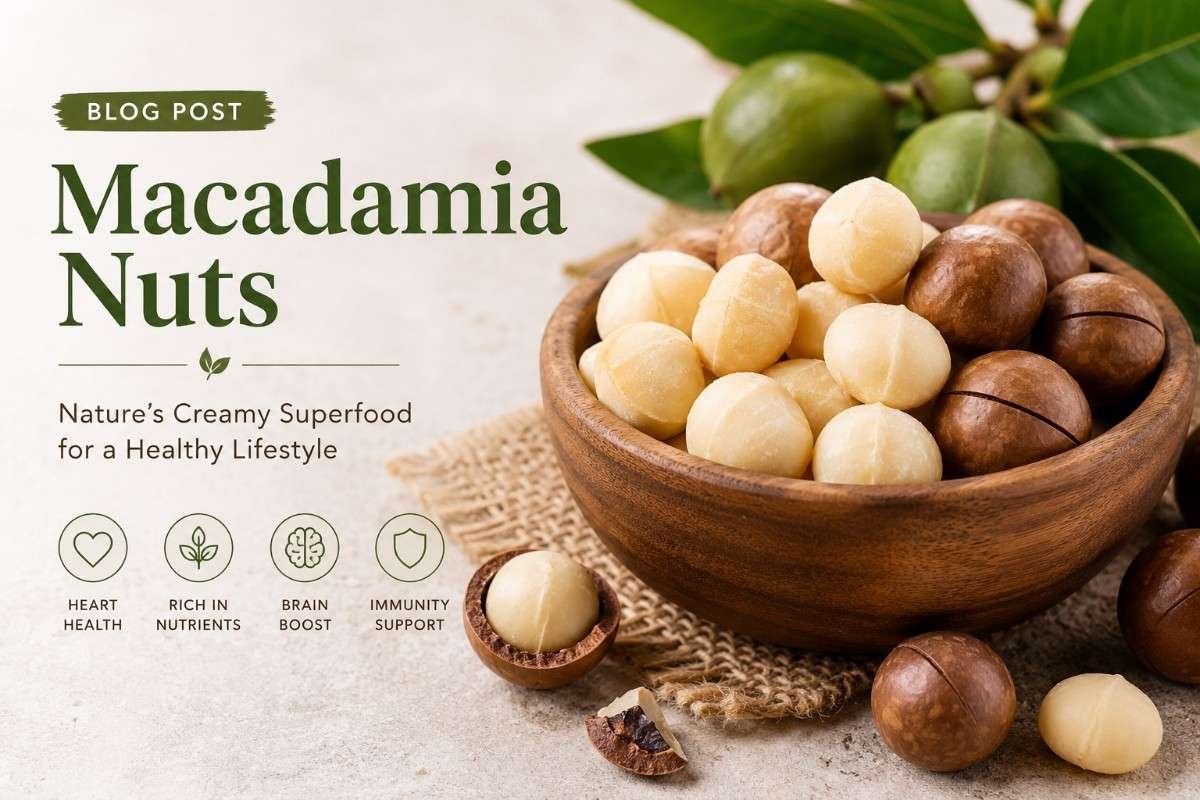
Macadamia nuts are creamy, crunchy tree nuts known for their rich buttery taste. They are often enjoyed as a snack, added to salads, mixed into baked goods, blended into nut butter, or used in desserts. Although they are usually more expensive than peanuts or almonds, macadamia nuts can be a nutritious addition to a balanced diet when eaten in moderate amounts.
These nuts are especially rich in monounsaturated fats, the same type of fat found in foods such as olive oil and avocados. They also provide fiber, plant-based protein, manganese, thiamine, copper, magnesium, and natural antioxidant compounds.
Macadamia nuts are calorie-dense, so a small serving can provide a lot of energy. They are also tree nuts and may cause allergic reactions in some people. Choosing plain, unsalted macadamia nuts and eating a measured portion is the best way to enjoy them.
This guide explains macadamia nut nutrition, potential health benefits, possible side effects, healthy uses, and the best ways to include them in your daily meals. Macadamia nuts can be part of a healthy dry-fruit routine that includes Peanuts and Pistachios .
What Are Macadamia Nuts?
Macadamia nuts are edible seeds from macadamia trees, mainly Macadamia integrifolia and Macadamia tetraphylla. They are native to Australia but are now grown in several warm regions around the world.
They have a very hard shell that protects a round, pale-colored kernel. The edible kernel has a smooth texture and mild buttery flavor.
Macadamia nuts are sometimes called:
- Queensland nuts
- Bush nuts
- Australian nuts
- Bauple nuts
- Maroochi nuts
Macadamias are true tree nuts, unlike peanuts, which are legumes. This difference is important for people with food allergies. Anyone with a tree-nut allergy should avoid macadamia nuts unless advised otherwise by an allergy specialist.
Macadamia Nut Nutrition Facts
Macadamia nuts are nutrient-dense. They provide energy, healthy fats, fiber, vitamins, and minerals in a small serving.
Nutrition in 1 Ounce or 28 Grams of Macadamia Nuts
| Nutrient | Approximate Amount |
|---|---|
| Calories | 204 calories |
| Protein | 2.2 g |
| Total fat | 21.5 g |
| Carbohydrates | 3.9 g |
| Fiber | 2.4 g |
| Sugar | 1.3 g |
| Manganese | About 58% of daily needs |
| Thiamine (Vitamin B1) | About 28% of daily needs |
| Copper | About 11% of daily needs |
| Magnesium | About 9% of daily needs |
Macadamia nuts are particularly high in monounsaturated fats and relatively low in carbohydrates. They also contain small amounts of iron, phosphorus, zinc, selenium, potassium, vitamin B6, and vitamin E.
Because they are high in fat, macadamia nuts contain more calories per serving than many other nuts. A small handful is usually enough.
Top Health Benefits of Macadamia Nuts
1. Rich in Monounsaturated Fats
Macadamia nuts are known for their high content of monounsaturated fats. These fats can be part of a heart-friendly eating pattern when they replace foods high in saturated fats, trans fats, or refined carbohydrates.
Monounsaturated fats support normal cell function and help the body absorb fat-soluble vitamins such as vitamins A, D, E, and K. They also make meals more satisfying and flavorful.
Adding a small portion of macadamia nuts to a salad or snack can be a better choice than fried snacks, pastries, or heavily processed foods.
2. May Support Heart Health
Macadamia nuts contain unsaturated fats, fiber, plant sterols, minerals, and antioxidant compounds. These nutrients may support healthy cholesterol levels and overall cardiovascular health when included in a balanced diet.
Nuts can be part of a heart-healthy eating plan, especially when they replace snacks high in added sugar or saturated fat. However, macadamia nuts should not replace medical treatment, prescribed medication, or regular health checkups.
For more heart-friendly food choices, explore our complete guide to the DASH diet for heart health.
3. May Help With Fullness and Appetite Control
Macadamia nuts contain healthy fats, fiber, and a small amount of protein. This combination may help you feel satisfied after eating.
A satisfying snack can make it easier to avoid frequent cravings for chips, biscuits, candy, or sugary drinks. Pairing a few macadamia nuts with fruit, yogurt, or a whole-grain snack can create a more balanced option.
Because they are calorie-dense, it is important to eat a measured portion rather than snacking directly from a large bag.
4. Supports Energy Production
Macadamia nuts contain thiamine, manganese, magnesium, and copper. These nutrients help support normal energy metabolism in the body.
Thiamine, also called vitamin B1, helps the body use carbohydrates for energy. Magnesium and manganese are involved in many enzyme reactions that support normal body functions.
Macadamia nuts are not an instant energy booster, but they can provide steady energy as part of a balanced snack.
5. Provides Antioxidant Compounds
Macadamia nuts contain natural antioxidant compounds, including flavonoids and tocotrienols. Antioxidants help protect cells from oxidative stress.
A diet rich in fruits, vegetables, beans, whole grains, nuts, seeds, and other plant foods provides a variety of antioxidants. Macadamia nuts can be one flavorful part of this eating pattern.
You can also explore the potential wellness benefits of Fig Water: Benefits, Nutrition, Uses and Side Effects.
6. May Support Digestive Health
Macadamia nuts provide dietary fiber, which supports normal digestion and regular bowel movements. Fiber also helps feed beneficial bacteria in the gut.
Eating nuts with fruits, vegetables, legumes, and whole grains can help increase total daily fiber intake. If you are not used to fiber-rich foods, start with a small portion to reduce the chance of bloating or stomach discomfort.
7. May Support Blood Sugar Balance
Macadamia nuts are low in carbohydrates and contain healthy fats and fiber. When eaten as part of a balanced meal, they may help slow digestion and support steadier blood sugar levels compared with sugary snacks.
For example, pairing macadamia nuts with an apple or unsweetened yogurt can be a more balanced snack than eating cookies, cakes, or candy.
People with diabetes may be able to include macadamia nuts in their meal plan, but portion size and total calorie intake are important. Speak with a doctor or registered dietitian for personal advice.
8. May Support Brain and Nerve Function
Macadamia nuts provide thiamine, magnesium, healthy fats, and antioxidant compounds. These nutrients support normal nervous system function and overall nutrition.
A brain-supportive diet should include a variety of foods, such as walnuts, almonds, seeds, leafy vegetables, berries, legumes, and whole grains.
For another brain-friendly food, read our guide to walnuts for brain and heart health.
9. May Support Bone Health
Macadamia nuts contain magnesium, manganese, phosphorus, and copper. These minerals are involved in normal bone structure and body functions.
They should be included as part of an overall bone-supportive lifestyle that includes calcium-rich foods, vitamin D, protein, resistance exercise, and regular movement.
10. A Convenient Plant-Based Snack
Macadamia nuts are naturally vegan and easy to carry. They can be useful for people following vegetarian, vegan, Mediterranean-style, or flexitarian diets.
A small container of plain macadamia nuts can be kept at home, at work, or in a travel bag for a quick snack. Their rich taste means a small serving can feel satisfying.
11. May Support Skin Health
Macadamia nuts contain healthy fats, vitamin E, and antioxidant compounds. Healthy fats help support normal skin structure, while vitamin E helps protect cells from oxidative damage.
A healthy diet can support overall skin nutrition, but macadamia nuts cannot replace sunscreen, skincare products, or medical treatment for skin conditions.
For related beauty content, add an internal link to Rice Water for Skin and Hair.
12. May Be Suitable for Low-Carb Diets
Macadamia nuts are lower in carbohydrates than many snack foods and some other nuts. This makes them a popular choice for people following low-carb eating patterns.
However, low-carb diets are not suitable for everyone. It is important to choose an eating pattern that fits your health needs, lifestyle, and medical advice.
Types of Macadamia Nuts
Macadamia nuts are available in several forms. The healthiest option usually has the fewest added ingredients.
Raw Macadamia Nuts
Raw macadamias have not been roasted. They have a soft, creamy texture and mild flavor. They can be eaten as a snack or added to recipes.
Roasted Macadamia Nuts
Dry-roasted Macadamias have a deeper flavor. Choose unsalted versions without added oils or sugar when possible.
Salted Macadamia Nuts
Salted macadamias may be high in sodium. They can be enjoyed occasionally, but plain or lightly salted options are better for everyday eating.
Macadamia Nut Butter
Macadamia butter is made by blending Macadamias into a creamy spread. Look for products with simple ingredients and little or no added sugar.
Macadamia Nut Oil
Macadamia oil has a mild buttery taste and can be used for cooking or salad dressings. It is calorie-dense, so use it in small amounts.
Macadamia Nut Flour
Macadamia flour is made from ground nuts. It can be used in baking, pancakes, cookies, energy balls, and gluten-free recipes.
How Many Macadamia Nuts Should You Eat Per Day?
A typical serving is:
- 1 ounce or 28 grams
- A small handful
- About 10 to 12 macadamia nuts
This serving provides healthy fats, fiber, and important minerals. Because macadamias are high in calories, it is best to avoid large portions.
If you are trying to lose weight, measure your serving in a small bowl rather than eating directly from the packet.
Best Time to Eat Macadamia Nuts
Macadamias can be eaten at any time of day. The best time is when they help you make a balanced snack or meal.
In the Morning
Add chopped Macadamias to oats, yogurt, smoothie bowls, or whole-grain toast.
As a Midday Snack
Enjoy a few macadamia nuts with fresh fruit for a satisfying snack between meals.
Before or After Exercise
Macadamia nuts provide energy but are low in protein. Pair them with yogurt, milk, fruit, or another protein source for a more balanced pre- or post-workout snack.
In the Evening
Add Macadamias to salads, vegetable dishes, or homemade trail mix. Avoid very large portions before bed if rich foods cause indigestion.
Healthy Ways to Eat Macadamia Nuts
Here are easy ways to add Macadamias to your diet:
- Eat plain raw or dry-roasted macadamia nuts
- Add chopped nuts to oats or porridge
- Sprinkle them over yogurt and fruit
- Mix them into homemade trail mix
- Add them to salads for crunch
- Blend them into nut butter
- Use ground macadamias in baking
- Add them to vegetable dishes
- Make energy balls with dates, oats, and macadamias
- Add a spoon of macadamia butter to smoothies
- Use macadamia oil in small amounts for cooking or dressings
Try to limit chocolate-covered, honey-coated, heavily salted, or deep-fried macadamia products.
Macadamia Nuts for Weight Loss
Macadamias can fit into a weight-loss plan when eaten in small, measured portions.
Their healthy fats and fiber may help with fullness, making it easier to avoid less nutritious snacks. However, they are very calorie-dense, so overeating can make weight management more difficult.
Tips for Eating Macadamia Nuts During Weight Loss
- Measure 10 to 12 nuts per serving
- Choose raw or dry-roasted unsalted varieties
- Avoid sugar-coated and chocolate-covered versions
- Pair with fruit or yogurt
- Use chopped nuts as a topping instead of eating large amounts
- Include them in a balanced meal plan with vegetables, protein, and whole grains
For more weight-management tips, add an internal link to How Intermittent Fasting Helps You Lose Weight Fast.
Are Macadamia Nuts Good for Diabetes?
Macadamias may be a suitable snack for many people with diabetes because they are low in carbohydrates and contain healthy fats and fiber.
They may be more filling than refined snacks such as biscuits, sweets, or chips. However, flavored products can contain added sugar, salt, and calories.
Choose plain Macadamias or unsweetened macadamia butter. Watch portion size and follow the advice of your doctor or dietitian.
Macadamia Nut Side Effects and Risks
Macadamia nuts are healthy for many people, but they are not suitable for everyone.
1. Tree-Nut Allergy
Macadamia nuts can cause allergic reactions in people with tree-nut allergies. Symptoms may include:
- Itching or hives
- Swelling of the lips, tongue, or throat
- Stomach pain, nausea, or vomiting
- Wheezing or trouble breathing
- Dizziness or fainting
Severe allergy symptoms require emergency medical care. Anyone with a known tree-nut allergy should avoid macadamia nuts unless an allergy specialist says they are safe.
2. High Calorie Content
Macadamia nuts are very high in calories because they are rich in fat. Eating large portions often may contribute to weight gain.
Stick to a small handful and avoid eating directly from a large bag.
3. Added Salt and Sugar
Salted, flavored, chocolate-covered, or honey-coated Macadamias may contain high amounts of sodium, sugar, and calories.
For daily eating, choose plain raw or dry-roasted Macadamias.
4. Digestive Discomfort
Some people may experience gas, bloating, or stomach discomfort after eating nuts. Start with a small portion, especially if you are not used to high-fiber foods.
5. Not Safe for Dogs
Macadamias can be toxic to dogs. Keep them away from pets and contact a veterinarian if a dog eats macadamia nuts.
If you have recently adopted a puppy or are learning about pet care, read our guide on the 3-3-3 Rule for Dog Training.
6. Storage and Freshness
Macadamias contain oils that can become stale or rancid over time. Store them in an airtight container in a cool, dry place. Refrigeration or freezing can help them stay fresh longer.
Avoid nuts that smell sour, stale, or moldy.
Macadamia Nuts vs Almonds: Which Is Better?
Both Macadamias and almonds can be healthy additions to a balanced diet. Their nutrition profiles are different.
| Feature | Macadamia Nuts | Almonds |
| Calories | Higher | Lower |
| Protein | Lower | Higher |
| Healthy fats | Very high | High |
| Carbohydrates | Lower | Higher |
| Vitamin E | Moderate | Higher |
| Best for | Low-carb snacks and rich flavor | Protein, fiber, and vitamin E |
Macadamias are especially rich in monounsaturated fats and have a creamy flavor. Almonds provide more protein and vitamin E. Including a variety of nuts and seeds can offer more nutritional benefits.
To learn more, read our complete guide on Almonds: Benefits, Nutrition and Side Effects.
FAQ
Are macadamia nuts healthy?
Yes, Macadamias can be healthy when eaten in moderate portions. They provide monounsaturated fats, fiber, vitamins, minerals, and antioxidant compounds.
How many macadamia nuts should I eat per day?
A common serving is around 10 to 12 Macadamias, or about 28 grams.
Are macadamia nuts good for weight loss?
They may help you feel full, but they are high in calories. Measure your portion and include them in a balanced diet.
Are macadamia nuts keto-friendly?
Macadamias are relatively low in carbohydrates, so they are commonly included in low-carb and keto-style diets. Individual needs may vary.
Can people with diabetes eat macadamia nuts?
Many people with diabetes can include plain Macadamias in a balanced meal plan. Choose unsweetened options and watch portion sizes.
Are macadamia nuts good for skin?
They provide healthy fats, vitamin E, and antioxidants that support overall nutrition and normal skin health. They are not a treatment for skin problems.
Can dogs eat macadamia nuts?
No. Macadamias can be harmful to dogs and should be kept away from pets.
Are raw or roasted macadamia nuts better?
Both can be nutritious. Raw nuts are minimally processed, while dry-roasted nuts have a stronger flavor. Choose versions without added sugar, excess salt, or oil.
Conclusion
Macadamia nuts are creamy, flavorful tree nuts that can be part of a healthy diet. They are rich in monounsaturated fats, fiber, vitamins, minerals, and antioxidant compounds.
Eating a small handful of plain raw or dry-roasted Macadamias may support fullness, heart health, energy production, digestion, and overall nutrition. They are easy to add to oats, yogurt, salads, smoothies, baking recipes, and homemade trail mixes.
Because Macadamias are calorie-dense, moderation is important. Choose plain, unsalted varieties and limit sugar-coated, chocolate-covered, or heavily salted products. People with tree-nut allergies should avoid them, and they should never be given to dogs.
When combined with fruits, vegetables, legumes, whole grains, seeds, and other nuts, Macadamias can be a delicious part of a balanced lifestyle. For more healthy dry-fruit guides, explore our articles on Hazelnuts , Cashews.
Sources and References
- USDA FoodData Central: Macadamia Nuts Nutrition Information
- Mayo Clinic: Nuts and Your Heart
- Harvard Health: Nuts and Heart Health
- WebMD: Macadamia Nuts Benefits, Nutrition and Safety Information
- Mayo Clinic: Nut Oils and Healthy Eating
About the Author
Hitasha is a health and wellness content writer who creates easy-to-understand articles about nutrition, healthy foods, fitness, and lifestyle habits.
Disclaimer
This article is for general educational purposes only and is not a substitute for professional medical advice, diagnosis, or treatment. Consult a qualified healthcare professional for personalized guidance, especially if you have a tree-nut allergy, diabetes, digestive issues, or any medical condition.